
SolCard SOLC: The Web3 Payment Card Ecosystem

Table of Contents
What if you could spend your crypto as easily as swiping a traditional debit card? That’s the vision behind SolCard SOLC, a growing Web3 payment ecosystem designed to bridge digital assets with everyday spending. As cryptocurrency adoption continues to expand, users are looking for practical ways to use their holdings beyond trading and investing. SolCard addresses this demand by offering a crypto-funded payment card that enables users to spend digital assets at millions of merchants worldwide.
Built around convenience, accessibility, and real-world utility, SolCard combines payment infrastructure with blockchain technology to create a seamless spending experience. The ecosystem supports multiple cryptocurrencies and blockchain networks while introducing the SOLC token as a key component of platform participation. From instant card issuance and global payments to revenue-sharing opportunities and token utility, SolCard aims to make crypto spending more accessible for everyday users. This guide explores the platform, its features, and the role of SOLC within the broader ecosystem.
For more insights and updates on the latest cryptocurrency trends, be sure to check out our Nifty Finances platform, your gateway to smarter financial decisions in the digital economy.

What Is SolCard SOLC?
SolCard is a Web3-focused payment card ecosystem designed to bridge the gap between cryptocurrency ownership and real-world spending. The platform enables users to convert digital assets into practical purchasing power through a virtual payment card that can be used for online transactions and supported payment networks. Its primary goal is to make cryptocurrency spending as simple and accessible as traditional digital payments while preserving the flexibility associated with blockchain-based assets. SolCard positions itself as a solution for users who want to utilize their crypto holdings without navigating the complexity often associated with off-ramping funds through centralized financial systems.
Simplifying Cryptocurrency Spending
One of SolCard’s core missions is to remove barriers between crypto ownership and everyday commerce. Many cryptocurrency users hold assets primarily for investment purposes, but spending those assets often requires multiple steps involving exchanges, bank transfers, and payment providers.
SolCard streamlines this process by allowing users to fund a payment card directly with supported cryptocurrencies. Once funded, the card can be used for purchases much like a conventional payment card. This approach reduces friction and helps make digital assets more practical for daily financial activities. The platform emphasizes fast card issuance, simple onboarding, and broad payment accessibility to support mainstream crypto adoption.
Funding Cards With SOL, Stablecoins, and Other Supported Assets
A key feature of the SolCard ecosystem is its support for multiple cryptocurrencies and blockchain networks. Users can fund their cards using SOL, stablecoins such as USDT and USDC, and other supported assets across several blockchain ecosystems.
This multi-chain approach provides flexibility for users who manage assets across different networks. Rather than limiting participation to a single token or blockchain, SolCard allows users to choose from a range of supported digital assets when funding their cards. This flexibility helps expand the platform’s utility and makes it accessible to a broader segment of the cryptocurrency community.
The Relationship Between SolCard and the SOLC Token
SOLC serves as the native token of the SolCard ecosystem. The token is designed to support various ecosystem functions and aligns users with the platform’s growth and adoption. According to SolCard’s documentation, SOLC is positioned as a utility-focused token connected to the broader payment infrastructure and ecosystem incentives. The project also highlights token-related benefits such as participation in revenue-sharing mechanisms available to qualifying holders.
The token therefore acts as a link between platform activity and community participation, helping create an economic layer around the payment ecosystem.
Platform Growth and Ecosystem Development
SolCard has focused on expanding both its payment infrastructure and user accessibility. The platform highlights features such as rapid card issuance, support for major blockchain networks, virtual payment functionality, and compatibility with widely accepted payment systems. According to project materials, SolCard is designed to support spending at a large network of merchants globally, helping extend cryptocurrency utility beyond trading and investing.
Market data sources also indicate an expanding holder base for SOLC, reflecting growing community participation around the ecosystem.
Focus on Real-World Utility and Payment Accessibility
What differentiates SolCard from many cryptocurrency projects is its focus on practical payment utility. Rather than concentrating solely on decentralized finance, staking, or speculative trading, the platform aims to provide infrastructure that enables users to spend digital assets in real-world scenarios.
- Simplifying cryptocurrency payments
- Expanding merchant accessibility
- Supporting multiple blockchain networks
- Connecting digital assets with everyday commerce
- Creating a utility for both users and token holders
By combining payment infrastructure with blockchain technology, SolCard seeks to make cryptocurrency more functional in everyday life. The SOLC token complements this vision by serving as a native ecosystem asset that connects users to the broader growth and utility of the platform.

How SolCard Bridges Crypto and Everyday Payments
One of the biggest challenges facing cryptocurrency adoption has been the gap between owning digital assets and actually using them for everyday purchases. While millions of people hold cryptocurrencies such as Bitcoin, Ethereum, Solana, and stablecoins, spending those assets in daily life has traditionally required multiple steps involving exchanges, bank transfers, and payment processors.
SolCard addresses this challenge by creating a payment ecosystem that connects cryptocurrency holdings directly to real-world spending. Through its crypto-funded payment card infrastructure, users can utilize their digital assets for purchases without needing to manually convert funds through traditional financial channels. This helps transform cryptocurrency from a purely investment-focused asset into a practical payment method that can be used in everyday situations.
Understanding Crypto-Funded Payment Cards
At the core of the SolCard ecosystem is the concept of a crypto-funded payment card. Unlike conventional debit cards that draw funds from a bank account, SolCard allows users to fund their card balance using supported cryptocurrencies.
Users deposit digital assets into the platform and allocate funds to their card account. Once the balance is available, the card can be used similarly to traditional payment cards for eligible purchases and transactions. This model enables users to maintain exposure to the cryptocurrency ecosystem while gaining access to familiar payment experiences.
The process is designed to simplify spending and reduce the barriers that often prevent cryptocurrencies from being used in everyday commerce.
Converting Cryptocurrency Into Spendable Value
A critical component of the SolCard system is the conversion of cryptocurrency into spendable payment value. When users fund their card with supported digital assets, the platform facilitates the necessary conversion process that enables transactions to be completed through existing payment networks.
This conversion occurs behind the scenes, allowing merchants to receive payment in the format supported by their payment infrastructure while users spend the value of their cryptocurrency holdings. The result is a seamless transaction experience where complex blockchain operations remain largely invisible to both the customer and the merchant.
By simplifying this process, SolCard makes cryptocurrency spending significantly more accessible to mainstream users.
Using SolCard for Online and In-Store Purchases
The SolCard ecosystem is designed to support a wide range of purchasing scenarios. Users can utilize their funded card for online shopping, subscription services, digital purchases, and various forms of e-commerce.
In addition to online transactions, the platform also supports in-store purchases through compatible payment methods. This allows users to use cryptocurrency-backed funds in physical retail environments where supported payment networks are accepted.
The ability to make both online and offline purchases expands the practical utility of digital assets and helps integrate cryptocurrency into everyday consumer behavior.
Apple Pay and Google Pay Integration
To improve convenience and accessibility, SolCard supports integration with major mobile payment platforms such as Apple Pay and Google Pay. This functionality allows users to add their SolCard to compatible digital wallets and make payments directly from smartphones, tablets, or wearable devices.
- Faster checkout experiences
- Contactless payment capabilities
- Enhanced convenience for daily spending
- Reduced reliance on physical cards
- Seamless mobile payment functionality
These integrations help bring cryptocurrency spending closer to the user experience that consumers expect from modern digital payment solutions.
Spending Digital Assets Without Traditional Banking
One of the most notable advantages of SolCard is its ability to reduce dependence on traditional banking infrastructure. Users can fund and manage their spending using cryptocurrency assets without requiring a conventional bank account for day-to-day payment activities.
This provides greater financial flexibility while enabling broader participation in digital finance. For individuals who prefer blockchain-based asset management, SolCard offers a practical bridge between decentralized finance and real-world commerce.
Global Merchant Acceptance and Payment Accessibility
A major goal of the SolCard ecosystem is to expand cryptocurrency usability on a global scale. By leveraging established payment networks, the platform enables users to spend digital assets at a wide range of supported merchants around the world.
This broad acceptance helps address one of the longstanding limitations of cryptocurrency adoption: merchant accessibility. Instead of waiting for businesses to directly accept cryptocurrencies, users can leverage existing payment infrastructure to utilize their digital assets almost anywhere supported payment methods are available.
Through this approach, SolCard helps connect blockchain technology with everyday financial activity, making cryptocurrency spending more practical, accessible, and globally relevant.
Supported Cryptocurrencies and Multi-Chain Infrastructure
A key strength of the SolCard ecosystem is its support for multiple cryptocurrencies and stablecoins, allowing users to fund their payment cards with a variety of digital assets. As the cryptocurrency market continues to evolve, users often hold assets across different blockchain networks and token standards. SolCard addresses this reality by providing support for a diverse range of cryptocurrencies rather than limiting functionality to a single token or ecosystem.
In addition to major cryptocurrencies, the platform supports widely used stablecoins that are designed to maintain a relatively stable value. Stablecoins are particularly important for payment applications because they reduce exposure to market volatility while still allowing users to benefit from blockchain-based financial infrastructure. By supporting both cryptocurrencies and stablecoins, SolCard offers flexibility that appeals to a broad spectrum of users.
Blockchain Networks for Deposits and Card Funding
Beyond supporting multiple assets, SolCard is designed to work across various blockchain networks. Users can deposit supported cryptocurrencies from compatible blockchains and use those assets to fund their payment cards. This multi-network approach ensures that users are not restricted to a single ecosystem when managing their funds.
Different blockchain networks offer unique advantages, including transaction speed, network costs, and ecosystem diversity. By enabling deposits from multiple chains, SolCard provides users with greater choice and convenience when funding their accounts. This infrastructure helps reduce friction and allows participants to utilize the networks that best suit their individual needs.
Multi-Chain Accessibility for Modern Crypto Users
The cryptocurrency landscape is increasingly multi-chain, with users frequently interacting with several blockchain ecosystems simultaneously. A person may hold stablecoins on one network, utility tokens on another, and additional assets across multiple decentralized finance platforms.
SolCard’s multi-chain infrastructure is designed to accommodate this reality by providing a unified payment solution that supports assets from different blockchain environments. Rather than forcing users to consolidate all holdings onto one network, the platform enables greater accessibility by supporting diverse blockchain participation.
This flexibility helps simplify the user experience while making digital asset spending more practical for everyday use.
Advantages of Supporting Diverse Blockchain Ecosystems
Supporting multiple blockchain ecosystems provides several benefits for both users and the broader platform. Different networks often specialize in different areas, such as low transaction fees, high throughput, or extensive decentralized application ecosystems.
Advantages of a diverse blockchain strategy include:
- Greater flexibility for funding and asset management
- Access to a wider range of cryptocurrencies
- Reduced dependency on a single blockchain network
- Improved accessibility for global users
- Enhanced compatibility with evolving Web3 ecosystems
By embracing multiple blockchain networks, SolCard can adapt to changing market conditions while serving a broader cryptocurrency audience.
Simplifying Asset Management Across Networks
Managing assets across multiple blockchains can be challenging, particularly for users who regularly interact with different wallets, decentralized applications, and token standards. SolCard helps simplify this process by providing a centralized payment experience that can accommodate assets originating from various networks.
Instead of maintaining separate payment solutions for each blockchain, users can access a single platform that supports multiple funding options. This streamlined approach reduces operational complexity and helps users focus on utilizing their digital assets rather than managing technical infrastructure.
The result is a more convenient and accessible experience for both experienced crypto participants and newcomers.
Expanding Payment Flexibility Through Interoperability
Interoperability is one of the defining principles behind modern blockchain development, and it plays a crucial role in SolCard’s payment infrastructure. By supporting multiple assets and networks, the platform creates greater payment flexibility for users regardless of where their funds are held.
This interoperability enables smoother movement between blockchain ecosystems while extending the practical utility of digital assets. Users gain the freedom to fund their cards using supported assets from different networks without being confined to a single ecosystem.
As the blockchain industry continues to evolve toward greater connectivity, SolCard’s multi-chain infrastructure positions it as a bridge between diverse cryptocurrency environments and real-world payment applications. Through interoperability, the platform expands spending opportunities and enhances the everyday usability of digital assets.
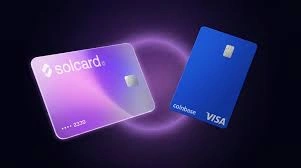
SolCard SOLC represents an ambitious effort to connect cryptocurrency ownership with everyday spending. Through its crypto-funded payment cards, multi-chain support, and integrated payment infrastructure, the platform seeks to make digital assets more practical for real-world use. Users can access a range of features, including virtual and premium card options, global payment acceptance, and support for multiple cryptocurrencies. Meanwhile, the SOLC token adds a layer of ecosystem participation through utility and revenue-sharing opportunities.
The crypto payments landscape is evolving rapidly, and Ecorpay Token (ECOR) is positioning itself as a utility-driven asset designed to bridge traditional finance and blockchain technology. Unlike speculative-only tokens, ECOR focuses on real-world usability, aiming to power fast, secure, and low-cost digital transactions across decentralized ecosystems. Built as a multi-blockchain payment and entertainment platform, Ecorpay operates across networks such as Solana and TON, giving users flexibility and scalability in how they transact. This cross-chain approach is becoming increasingly important as users demand frictionless movement of value without being locked into a single ecosystem.
As Web3 payments continue evolving, platforms that simplify the connection between blockchain technology and traditional commerce may play an increasingly important role in mainstream adoption. For investors, crypto enthusiasts, and everyday users alike, understanding SolCard SOLC offers valuable insight into how digital assets are becoming more integrated into daily financial activities. Always conduct thorough research before engaging with any crypto platform or token ecosystem.
[…] finance systems and blockchain-based infrastructure. Its core purpose is to function as a versatile payment layer that can be used across multiple platforms, applications, and blockchain […]