
Simon the Gator SIMON: The Swamp King Meme Coin

Table of Contents

In the chaotic world of meme coins, only a few projects manage to stand out with a strong identity — and Simon the Gator SIMON is one of them. Built on Ethereum, SIMON is not just another animal-themed token; it’s a bold, aggressive meme movement branding itself as a swamp-dwelling enforcer of crypto culture.
The project thrives on satire, internet humor, and a “no mercy for scammers” narrative. It positions itself as a community-driven force calling out bad actors, weak hands, and exploitative behavior in decentralized finance. This raw, unfiltered storytelling has helped SIMON build a loyal following across X (Twitter), Telegram, and meme-driven crypto communities.
With a fixed supply, ERC-20 structure, and decentralized trading on Uniswap, Simon the Gator blends meme culture with real blockchain mechanics. The result is a high-volatility, high-attention token that attracts traders looking for narrative-driven momentum rather than traditional utility.
This article breaks down everything about Simon the Gator SIMON — from its origins and branding to tokenomics, ecosystem culture, and future outlook in the Ethereum meme coin arena.
For more insights and updates on the latest cryptocurrency trends, visit our Nifty Finances platform, your gateway to smarter financial decisions in the digital economy
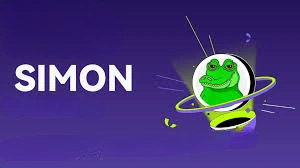
What Is Simon the Gator SIMON?
Simon the Gator (SIMON) is an Ethereum-based ERC-20 meme coin built around a bold, aggressive character identity that blends internet humor with “predator vs. scammer” narrative branding. Positioned within the crowded meme coin sector on Ethereum, SIMON relies heavily on storytelling, community energy, and viral meme culture rather than traditional utility-driven token design.
SIMON as an Ethereum ERC-20 Meme Coin
SIMON operates as an ERC-20 token on the Ethereum blockchain, placing it within one of the most established ecosystems for decentralized assets and meme coin experimentation. Ethereum’s large user base, deep liquidity, and strong decentralized exchange infrastructure make it a common foundation for meme tokens that aim to achieve rapid visibility and trading activity.
Unlike utility-focused crypto projects, SIMON is designed primarily as a narrative-driven meme coin. Its value proposition is rooted in community engagement, viral storytelling, and cultural identity rather than technical innovation or protocol-level utility. This approach aligns with a long-standing trend in Ethereum meme culture, where branding and social momentum often define a project’s success.
The “Swamp Predator” Gator Branding Identity
At the center of SIMON’s identity is its “swamp predator” gator persona. The character of Simon is portrayed as a dominant, territorial force within the meme coin ecosystem—symbolically representing a predator that targets bad actors in crypto culture.
This branding is designed to be instantly recognizable and emotionally charged. The gator archetype reflects aggression, resilience, and instinct, all of which are traits commonly amplified in meme coin storytelling. By leaning into this persona, SIMON creates a strong visual and narrative identity that can be easily adapted into memes, animations, and social media content.
The swamp predator theme also reinforces a survival-of-the-fittest metaphor that resonates with traders who view crypto markets as highly competitive and unforgiving environments.
Targeting Scammers and “Jeeters”
A defining element of SIMON’s narrative is its focus on crypto scammers and “jeeters.” In crypto slang, jeeters refer to traders who quickly sell their holdings during volatility, often weakening momentum in meme coin communities.
SIMON’s branding positions the gator character as a hunter of these weak hands and exploitative actors. This creates a story-driven framework where the community rallies around a shared enemy concept, strengthening emotional engagement and group identity.
This type of narrative is common in meme coin ecosystems because it simplifies complex market behavior into relatable storytelling. Instead of focusing on charts or technical analysis, communities engage through humor, memes, and symbolic conflict.
Meme Culture in Ethereum-Based Tokens
Meme culture plays a significant role in the success of Ethereum-based tokens like SIMON. Ethereum’s ecosystem has historically been home to some of the earliest and most influential meme coins, where community participation and viral content often outweigh formal development roadmaps.
SIMON fits into this environment by leveraging humor, exaggeration, and character-based storytelling. The Ethereum network supports this type of experimentation due to its liquidity, decentralized exchange activity, and established meme trading culture.
In this context, meme coins function less like traditional financial assets and more like internet-native cultural experiments.
How Viral Storytelling Drives Attention Growth
Viral storytelling is one of the most powerful growth mechanisms in meme coin ecosystems. SIMON’s swamp predator narrative, combined with its anti-scam and anti-jeet positioning, creates a simple but emotionally engaging storyline that is easy to share across platforms.
- Encourages meme creation and remixing
- Simplifies the project’s identity for new audiences
- Builds emotional alignment within the community
- Supports rapid social media amplification
As content spreads across platforms like X, Telegram, and TikTok, the character of Simon becomes more recognizable, reinforcing the cycle of engagement and attention growth.
SIMON demonstrates how Ethereum meme coins continue to evolve through storytelling-first branding strategies. By combining aggressive character design, community-driven narratives, and viral meme culture, the project positions itself within the broader trend of internet-native crypto assets where attention and identity are the primary drivers of momentum.
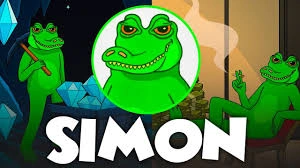
The Origins and Swamp Narrative Behind SIMON
Simon the Gator (SIMON) is an Ethereum-based ERC-20 meme coin built around a bold, character-driven identity inspired by internet comic aesthetics and aggressive meme culture. At its core, the project revolves around Simon, a swamp-dwelling gator mascot designed in the spirit of chaotic, expressive, Matt Furie–style internet art. This visual foundation gives SIMON a recognizable and flexible identity that can evolve across memes, animations, and community-driven storytelling.
Simon as a Furie-Style Meme Mascot
The character of Simon follows a familiar tradition in meme culture influenced by Matt Furie–style illustration—bold outlines, exaggerated expressions, and surreal emotional energy. This type of visual language has historically played a major role in internet meme evolution because it is easy to remix, distort, and adapt across different contexts.
Simon the Gator uses this aesthetic foundation to establish a character that feels both humorous and aggressive. Instead of a neutral mascot, Simon is designed to be expressive, reactive, and chaotic, making it ideal for meme creation and viral reinterpretation within crypto communities.
The “Draining the Crypto Swamp” Narrative
A central theme in SIMON’s branding is the idea of “draining the crypto swamp,” a metaphorical narrative that positions the gator as a force against bad actors in the crypto space. In this storyline, the swamp represents a chaotic environment filled with scammers, exploitative traders, and weak hands, while Simon acts as the predator that restores order through dominance.
This narrative is not literal but symbolic, reflecting common themes in meme coin culture where storytelling is used to simplify market behavior into accessible archetypes. The swamp metaphor gives the community a shared framework for humor, criticism, and engagement, especially when reacting to volatility or market events.
Satire, Aggression, and Meme Identity
SIMON’s identity is built on a combination of satire and controlled aggression. The project uses humor to exaggerate crypto culture behaviors—such as panic selling, hype cycles, and speculative trading—turning them into memes that the community can collectively engage with.
This blend of satire and intensity helps differentiate SIMON from more neutral meme coins. Instead of purely comedic branding, SIMON incorporates a sharper tone that reflects the emotional highs and lows of crypto trading. The aggressive gator persona becomes a symbolic representation of resilience and confrontation within the market.
Community-First Culture and Humor
Like many successful meme coins, SIMON relies heavily on community participation. The project’s culture is shaped by holders who actively create memes, roast market behavior, and contribute to the evolving narrative of the swamp ecosystem.
This community-first approach transforms the token into more than just a tradable asset. It becomes a shared cultural space where humor, irony, and commentary on crypto behavior are constantly produced and circulated.
- Meme creation and remixing
- Humorous commentary on market cycles
- Community roasting of “jeeters” and scammers
- Shared storytelling around the Simon character
From Meme Concept to Trading Token
SIMON’s evolution reflects a common pattern in modern meme coin development: starting as a character idea and transitioning into a tradable ERC-20 asset. What begins as a simple meme or visual concept gradually gains traction through community engagement, eventually becoming a tokenized expression of that culture.
This transformation is driven less by formal development milestones and more by social momentum, narrative strength, and viral visibility across platforms like X, Telegram, and TikTok.
The Power of Character Branding in Meme Coin Virality
Character branding is one of the most important drivers of virality in meme coins, and SIMON leverages this principle effectively. A strong mascot allows communities to create endless variations of content while maintaining a consistent identity.
Simon’s swamp predator persona gives the project a clear emotional anchor that is easy to recognize and replicate. This consistency helps strengthen virality because users can instantly associate memes, jokes, and narratives with the same character.
SIMON demonstrates how meme coins are increasingly shaped by storytelling, satire, and character-driven branding. By combining a Furie-inspired mascot with a swamp predator narrative, the project builds a cultural identity that thrives on humor, aggression, and community creativity within the Ethereum meme ecosystem.
How Simon the Gator Builds Community Engagement
Simon the Gator (SIMON) is an Ethereum-based ERC-20 meme coin that relies heavily on community behavior, humor, and viral internet culture to build engagement. Instead of depending on traditional marketing or structured incentive systems, the project grows through organic participation across social platforms where users collectively shape its identity, narrative, and visibility.
Telegram Communities and Meme Coordination
Telegram plays a central role in SIMON’s community structure, acting as a coordination hub where members share memes, discuss market sentiment, and amplify narrative-driven content. In meme coin ecosystems, Telegram groups often function as real-time communication layers where ideas spread quickly, and engagement is continuous.
Within SIMON’s community, Telegram is used not only for discussion but also for meme coordination. Members collaborate on jokes, raid social posts, and reinforce the swamp predator identity through repeated messaging. This constant interaction helps maintain momentum even during periods of low market activity.
X (Twitter) and Viral Meme Posting Culture
X (formerly Twitter) serves as the primary stage for SIMON’s external visibility. The platform’s fast-paced environment makes it ideal for meme coins that rely on short-form viral content. SIMON’s community frequently posts memes, reaction content, and narrative-driven jokes designed to attract attention and engagement.
In this ecosystem, virality is often driven by repetition and amplification. When multiple users engage with the same meme concept or character theme, it increases the likelihood of trending visibility. SIMON benefits from this dynamic by encouraging constant posting around its swamp predator identity and anti-scam narrative.
Roasting Scams and Weak Hands
A defining feature of SIMON’s community culture is its humorous aggression toward scams, market manipulators, and “weak hands” (traders who sell quickly during volatility). This behavior is not purely negative but functions as a form of social bonding and narrative reinforcement.
By collectively roasting bad actors in crypto, the community strengthens its internal identity. The “swamp predator” persona of Simon becomes a symbolic tool for expressing frustration, humor, and market commentary in a unified voice.
Meme Wars and Coordinated Hype Cycles
Meme wars are a common phenomenon in crypto culture, where communities compete for attention through coordinated posting, trending hashtags, and viral content campaigns. SIMON’s ecosystem participates in these cycles by engaging in bursts of coordinated hype activity.
- Rapid meme posting across X and Telegram
- Shared narrative themes and catchphrases
- Community-driven amplification of content
- Spikes in engagement and visibility
Such coordinated behavior helps increase the project’s exposure and reinforces its presence within the broader meme coin ecosystem.
Humor, Aggression, and Engagement Dynamics
SIMON’s engagement strategy is heavily influenced by a combination of humor and controlled aggression. This blend is effective in meme culture because it reflects the emotional volatility of crypto markets while remaining entertaining.
The gator persona allows the community to express both comedic and confrontational tones, making the content more dynamic and shareable. This emotional mix helps sustain engagement over time, especially in fast-moving environments like Ethereum meme trading.
Collective Narrative Shaping by Holders
One of the most important aspects of SIMON’s community is that holders actively shape the project’s narrative. Instead of a centralized storyline, the identity of Simon evolves through memes, discussions, and shared interpretations created by the community itself.
- New memes redefine aspects of the character
- Community jokes become part of the official narrative culture
- Engagement directly influences branding evolution
This creates a feedback loop where participation directly impacts identity.
Incentive-Less Participation Driven by Culture
Unlike many projects that rely on structured rewards or financial incentives, SIMON’s engagement is largely culture-driven. Participants are motivated by humor, belonging, and shared identity rather than external rewards.
This type of engagement is often stronger in meme coin ecosystems because it is rooted in entertainment value and social participation rather than transactional benefits.
Viral Identity Reinforcement Through Shared Memes
SIMON’s community growth is powered by continuous meme reinforcement. Each shared image, joke, or narrative post strengthens the swamp predator identity and expands its reach across platforms.
As more users participate in creating and sharing content, the character of Simon becomes increasingly embedded in crypto meme culture. This collective reinforcement loop is what transforms SIMON from a simple token into a viral internet identity sustained by its community.
Simon the Gator SIMON represents the raw, aggressive side of Ethereum meme culture. With its swamp predator identity, anti-scam narrative, and community-driven hype, it thrives on attention rather than traditional utility. The project reflects how modern meme coins are built — not just as tokens, but as internet characters with strong storytelling power.
While SIMON continues to attract traders and meme enthusiasts, it remains a highly speculative asset shaped by sentiment, liquidity, and viral momentum. Its strength lies in community energy and branding, not financial predictability.
Did you know that some of the most resilient crypto projects aren’t backed by venture capital—but by pure community power? That’s exactly the story behind WOOF WOOF. Born in 2021 and distributed through an airdrop to the Solana ecosystem, WOOF positioned itself as a grassroots, community-first token with a bold mission. Solana users quickly embraced the project, fueling its growth through NFTs, DeFi tools, and charitable initiatives.
For anyone exploring Ethereum meme coins, Simon the Gator stands as a bold example of how narrative, humor, and chaos can merge into a digital movement — one that lives or dies by the swamp it builds.
[…] coins continue to dominate crypto conversations, but only a few projects manage to capture true internet culture and community momentum. That’s where YETI enters the scene! Built around viral content, degenerate humor, and […]
[…] the heart of WOOF is its community-driven philosophy. The project does not rely heavily on traditional marketing or top-down leadership. Instead, it […]