
Sato The Dog SATO: Community Meme Coin on Base Chain

Table of Contents

In crypto, some stories aren’t just about charts—they’re about survival. Sato The Dog (SATO) is one of those rare comeback stories. Born as a meme coin on the Base Chain, SATO initially launched with minimal utility, relying purely on meme culture and community hype. But what happened next is what makes it unique.
After the original development team stepped away, the project was left abandoned. Instead of fading into history, a group of dedicated holders stepped in and revived it, transforming SATO into a fully community-owned ecosystem.
Today, SATO represents something bigger than just a token—it symbolizes decentralization in action. No central authority, no hidden control, just collective governance and shared belief.
In this guide, we’ll break down what Sato The Dog is, how its token works, its NFTs and ecosystem features, and why this community-driven meme coin continues to survive and evolve in the ever-changing crypto landscape.
For more insights and updates on the latest cryptocurrency trends, visit our Nifty Finances platform, your gateway to smarter financial decisions in the digital economy
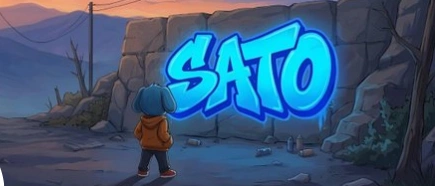
What Is Sato The Dog (SATO)?
Sato The Dog (SATO) is a community-driven meme coin built on the Base Chain, designed to operate fully on decentralized principles after undergoing a community takeover. Originally launched as a typical meme token, SATO has evolved into a fully community-owned project where governance, development direction, and ecosystem decisions are now shaped by its holders rather than a central team.
Within the growing Base ecosystem, SATO positions itself as a cultural and community-focused token that reflects the broader meme coin movement—where storytelling, collective ownership, and social engagement often matter as much as technical utility.
Overview of SATO as a Meme Coin on Base Chain
SATO exists as a meme coin on the Base blockchain, an Ethereum Layer-2 network designed for scalability and low-cost transactions. Like many meme assets in Web3, its value proposition is rooted in community participation, cultural relevance, and viral engagement rather than traditional utility-driven fundamentals.
The token is part of the expanding Base meme coin ecosystem, where projects often compete for attention through branding, community growth, and narrative strength. In this environment, SATO aims to stand out by emphasizing decentralization and long-term community control rather than short-term hype cycles.
Origin Story and Initial Launch Concept
SATO was initially introduced as a meme-inspired token with branding tied to crypto culture references. Like many early-stage meme coins, it launched with a simple structure and limited roadmap, relying heavily on community interest to sustain momentum.
Over time, however, the original development team stepped away from active involvement. This left the project without centralized leadership or ongoing development direction, a situation that often leads to abandonment in the meme coin sector.
Instead of fading out, SATO gained new life through its holder base.
Transition From Abandoned Project to Community Takeover
After the original developers abandoned the project, the SATO community stepped in to take control. This transition marked a major turning point, shifting the token from a developer-led project to a fully community-driven ecosystem.
- Maintaining project continuity
- Restoring communication and transparency
- Rebuilding trust among holders
- Reviving branding and ecosystem presence
This type of community takeover is relatively common in meme coin culture, where decentralized ownership can emerge organically when original teams exit.
Fully Decentralized Ownership Structure
Following the takeover, SATO adopted a fully decentralized structure. There is no central authority controlling token decisions, and governance is instead distributed among holders and active community participants.
- No single controlling development team
- Community-led decision making
- Open participation in ecosystem direction
- Emphasis on collective ownership
This model reinforces the idea that SATO belongs to its holders rather than any founding entity, aligning with broader decentralization principles in Web3.
Focus on Transparency and Community Governance
Transparency is a central theme in the SATO ecosystem. With the absence of a centralized team, the community prioritizes open communication and visible decision-making processes.
Community governance often revolves around discussions, proposals, and collective coordination, ensuring that changes to the project reflect the holder’s consensus rather than private decisions.
This approach is designed to rebuild trust, especially after the project’s early instability, and to create a more resilient long-term structure.
Positioning Within the Base Meme Coin Ecosystem
Within the Base ecosystem, SATO positions itself as a resilience-driven meme coin—one that survived abandonment and transitioned into a fully community-led project.
Unlike traditional tokens focused on utility or institutional backing, SATO’s identity is rooted in:
- Community resilience
- Decentralized ownership
- Meme culture participation
- Organic ecosystem growth
By embracing its history and evolving through collective effort, SATO aims to maintain relevance in the competitive and fast-moving Base meme coin landscape.
Sato The Dog (SATO) represents a shift from a typical meme coin launch to a fully community-owned digital asset on the Base Chain. Its transition from abandonment to decentralization highlights the power of collective governance in Web3, while its positioning within the Base ecosystem reflects the growing influence of community-driven meme economies in modern crypto markets.

How the SATO Community Revived the Project
Sato The Dog (SATO) is a meme coin on the Base Chain that experienced a familiar but important pattern in crypto: an early-stage project losing its original development team and being left without centralized leadership. What makes SATO notable, however, is not the abandonment itself, but the way its community responded—transforming a stalled project into a fully community-driven ecosystem through coordination, transparency, and collective ownership.
Breakdown of Project Abandonment by Original Developers
Like many meme coins in the broader crypto space, SATO initially launched with an active development team and early branding momentum. However, over time, the original creators stepped away from active participation in the project. This left the token without formal leadership, roadmap execution, or centralized communication.
In most cases, this type of abandonment leads to declining interest and eventual project collapse. Without updates or direction, holders often lose confidence, and liquidity can stagnate. SATO initially faced this same risk, entering a period of uncertainty where the future of the token was unclear.
Community-Led Takeover and Token Redistribution Efforts
Instead of allowing the project to fade, early holders and active community members stepped in to take control of SATO’s direction. This marked the beginning of a community takeover, where ownership and decision-making gradually shifted away from the original developers.
During this transition, the community focused on stabilizing the project by:
- Rebuilding communication channels
- Re-establishing project visibility
- Organizing token holder coordination efforts
- Supporting liquidity and market stability initiatives
While no central authority dictated these actions, collective coordination helped maintain continuity and prevent total collapse. In some cases, community members also worked toward clarifying token distribution and ensuring that control remained aligned with decentralized principles rather than concentrated ownership.
Grassroots Coordination Among Early Holders
The revival of SATO was largely driven by grassroots coordination. Early holders played a crucial role in organizing discussions, forming community groups, and aligning on shared goals for the project’s future.
This type of bottom-up organization often emerges in meme coin ecosystems, where social consensus can be just as powerful as formal governance structures. Through group discussions, social channels, and collaborative efforts, the SATO community maintained momentum even without a dedicated development team.
- Community-led marketing and awareness campaigns
- Informal leadership structures within holding groups
- Shared responsibility for updates and communication
- Organic growth of social engagement and visibility
Shift Toward Decentralized Decision-Making
As the community takeover progressed, SATO gradually shifted into a decentralized decision-making model. Instead of relying on a single authority, project direction began to emerge from collective input.
- Decisions were made through community consensus
- Development direction became holder-driven
- Transparency became a core expectation
- No central entity controlled the project roadmap
This structure reflects broader Web3 principles, where decentralization is not just technical but also social—distributed across participants rather than concentrated in leadership.
Importance of Holder-Driven Revival in Crypto Culture
SATO’s revival highlights an important aspect of crypto culture: community resilience. In the meme coin sector, especially, projects often live or die based on collective belief rather than institutional backing or formal utility.
- Communities can sustain projects beyond developer involvement
- Value can persist through shared narratives and engagement
- Decentralization can emerge organically in practice, not just theory
This reinforces the idea that crypto ecosystems are increasingly shaped by social coordination rather than centralized control.
Strengthening Trust Through Transparency and Collaboration
One of the most significant outcomes of the SATO revival was the renewed focus on transparency. With no central team to rely on, communication became open, direct, and community-facing.
- Open discussions among holders
- Visible community decision-making
- Collaborative project management
- Shared responsibility for outcomes
This transparency helped stabilize confidence in the project and encouraged continued participation from existing and new holders.
The revival of Sato The Dog (SATO) demonstrates how a crypto project can survive abandonment through collective action and decentralized governance. What began as a stalled meme coin evolved into a community-owned ecosystem shaped entirely by its holders. Through grassroots coordination, transparent communication, and decentralized decision-making, the SATO community transformed uncertainty into resilience, reinforcing the power of holder-driven culture in Web3.

Sato The Dog Ecosystem Features
Sato The Dog (SATO) is built around a fully community-driven meme coin ecosystem on the Base Chain, where governance, branding, and long-term direction are shaped entirely by its holders. Rather than relying on a centralized development team or complex utility roadmap, SATO focuses on decentralization, transparency, and community creativity as its core pillars. The result is an ecosystem that reflects the values of modern meme coin culture—collective ownership, open participation, and narrative-driven growth.
Community-Driven Governance Model (Woof DAO Concept)
At the heart of the SATO ecosystem is its community governance structure, often referred to informally as the “Woof DAO” concept. This model represents a decentralized autonomous approach where decision-making power is distributed among token holders rather than controlled by a single entity.
Within this structure, holders can influence key aspects of the project, such as:
- Community initiatives and campaigns
- Ecosystem direction and branding decisions
- Development priorities and proposals
- Strategic partnerships or collaborations
The Woof DAO concept reinforces the idea that SATO is not managed by a central authority but instead evolves through collective input from its community.
Transparency-Based Decision Making via Multisig Wallets
Transparency is a fundamental principle of the SATO ecosystem, and this is reinforced through the use of multisignature (multisig) wallets. These wallets require multiple approvals from trusted community participants before funds can be moved or used, ensuring that no single individual has unilateral control over treasury resources.
- Prevent centralized control of community funds
- Increase accountability in financial decisions
- Ensure visible and verifiable transactions
- Build trust among token holders
By using multisig systems, SATO aligns financial operations with its decentralized philosophy, making all major actions subject to collective approval.
Holder Participation in Project Direction
Unlike traditional crypto projects where development is led by a core team, SATO encourages active holder participation in shaping its direction. Token holders are not just investors—they are contributors to the ecosystem’s evolution.
- Voting on community proposals
- Suggesting marketing or branding ideas
- Contributing to ecosystem discussions
- Helping guide long-term roadmap decisions
This open participation model ensures that the project reflects the collective vision of its community rather than a single leadership group.
Meme-Driven Branding Strategy for Growth
SATO leverages meme culture as its primary growth engine. Instead of relying on technical complexity or institutional narratives, the project uses humor, storytelling, and viral content to build community engagement.
- Increase social media visibility
- Encourage organic community growth
- Strengthen cultural identity within Web3
- Attract retail participation through relatability
In the Base ecosystem, where meme coins play a significant cultural role, SATO’s branding strategy helps it remain competitive and recognizable.
Emphasis on Decentralization Over Utility Complexity
SATO intentionally prioritizes decentralization and community ownership over complex utility frameworks. While many crypto projects focus heavily on technical features or DeFi utility, SATO emphasizes simplicity and cultural value.
- No reliance on complicated financial mechanisms
- Focus on community cohesion and engagement
- Long-term sustainability through collective participation
- Reduced dependency on centralized development teams
By keeping its structure simple, SATO maintains flexibility and adaptability as a community-led project.
Community Creativity and Engagement Initiatives
A key strength of the SATO ecosystem is its emphasis on creativity. The community actively drives engagement through memes, content creation, campaigns, and social storytelling.
- Meme competitions and viral content creation
- Community-led marketing campaigns
- Social engagement events and discussions
- Collaborative branding efforts
These activities help maintain momentum, attract new participants, and strengthen the project’s cultural identity.
The Sato The Dog ecosystem is built on a foundation of decentralization, transparency, and community participation. Through its Woof DAO-inspired governance model, multisig treasury system, meme-driven branding, and strong emphasis on holder involvement, SATO demonstrates how a meme coin can function as a fully community-owned ecosystem. Its growth is not driven by centralized utility, but by collective creativity and shared ownership within the Base Chain meme coin landscape.
Sato The Dog (SATO) extends its meme-driven ecosystem beyond tokens into the world of digital collectibles through its NFT collections on the Base Chain. These NFTs are designed not just as artwork, but as representations of community identity, loyalty, and participation within the SATO ecosystem. Rather than focusing on utility-heavy mechanics, the NFT collections emphasize culture, belonging, and long-term holder recognition.
SATO NFTs and digital collectibles represent an important extension of the SATO ecosystem, transforming community participation into visual, collectible assets. Through limited releases, exclusive supporter collections, and cultural branding, the NFTs reinforce identity and engagement within the Base Chain meme coin space. Rather than focusing on utility-heavy design, SATO NFTs prioritize community belonging, scarcity, and long-term cultural value.
Sato The Dog (SATO) is more than just another meme coin—it’s a story of revival powered entirely by its community. What began as an abandoned project on the Base Chain transformed into a decentralized experiment in collective ownership, governance, and resilience.
With its fair tokenomics, NFT ecosystem, and community-driven initiatives, SATO continues to survive in a highly competitive meme coin market. While it remains speculative in nature, its strongest asset is clearly its community.
As the Base ecosystem expands, Sato The Dog stands as a reminder that in crypto, sometimes the community—not the creators—decides the future.
Roost Coin (ROOST) isn’t just another token — it’s a community‑driven meme project thriving on the Base blockchain that blends culture, entertainment, and utility into a single ecosystem. Originally emerging as a playful riff on meme coin culture, Roost Coin has evolved into more than just a fun crypto asset: it’s a platform with creative utilities like NFTs, games, and community tools that keep participants engaged. At its heart is a passionate following known as The Roost Army, which helps govern the project’s direction and grow its presence across social platforms and decentralized protocols.
[…] as a “champion” of the Base ecosystem, Roost Coin leverages decentralized community decision-making and a unique governance approach […]
[…] stories. Born as a meme coin on the Base Chain, SATO initially launched with minimal utility, relying purely on meme culture and community hype. But what happened next is what makes it […]