
PINO PINO: The Bad Boy of Solana Meme Coin

Table of Contents

“Memecoins die fast.” That’s what most crypto traders believe — until a project refuses to disappear. Enter PINO, the dinosaur-themed Solana meme coin that transformed chaos into one of the loudest comeback narratives in meme coin culture. Built around pure degenerate energy, viral branding, and a relentless community, PINO carved its identity as “The Bad Boy of Solana.”
Unlike utility-heavy crypto projects chasing technical complexity, PINO leans hard into internet culture, meme storytelling, and community-driven momentum. From surviving developer abandonment to achieving massive social traction, the project has become a symbol of resilience inside the Solana meme ecosystem. The combination of locked liquidity, renounced contracts, aggressive branding, and community takeover lore gives traders something they love: a narrative.
For crypto enthusiasts hunting the next culture-driven token phenomenon, PINO offers more than memes — it delivers identity, survival energy, and a highly engaged online movement.
For more insights and updates on the latest cryptocurrency trends, visit our Nifty Finances platform, your gateway to smarter financial decisions in the digital economy
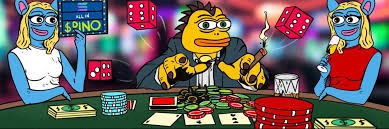
What Is PINO and Why Is It Trending on Solana?
The world of Solana meme coins moves fast, but few projects have built a recognizable identity quite like PINO. Known as the “Bad Boy of Solana,” PINO combines aggressive meme branding, community-driven momentum, and a chaotic comeback story that has helped it stand out in an increasingly crowded market. Built around a dinosaur mascot with rebellious energy, the project reflects the broader evolution of meme culture within crypto, where storytelling and internet virality often matter just as much as technical utility.
According to the project’s official website, PINO launched as a community-led meme coin on the Solana blockchain and later became known for surviving multiple setbacks, including abandoned leadership and community takeovers. The project now markets itself as a fully community-powered token with locked liquidity, zero buy-and-sell tax, and a strong meme-focused identity.
PINO’s Dinosaur Mascot and “Bad Boy of Solana” Identity
Branding plays a massive role in meme coin culture, and PINO leans heavily into this concept. Instead of presenting itself as a serious utility protocol, the project embraces internet humor, chaos, and high-energy meme aesthetics. The dinosaur mascot gives the token a recognizable visual identity while the “Bad Boy of Solana” slogan positions it as rebellious and edgy within the meme coin ecosystem.
This kind of branding matters because meme coins compete for attention in an extremely crowded environment. Successful projects are often those that can create emotional engagement and recognizable online personalities. PINO’s lore-driven approach helps distinguish it from generic token launches that rely only on hype or price speculation.
The project’s storytelling also contributes to its identity. PINO describes itself as a survivor that endured developer abandonment and community-led recovery efforts. That narrative creates a sense of resilience and shared ownership among holders, which is a recurring theme in many successful crypto communities.
The Importance of pump.fun Origins
One of the key parts of PINO’s story is its origin on pump.fun, a launch platform that became closely associated with Solana meme coin culture. The official guide explains that PINO was originally launched through pump.fun, which uses standardized token mechanics and simplified token deployment tools.
Pump.fun became popular because it lowered the barrier for creating and trading meme coins. Instead of requiring advanced blockchain development knowledge, users could launch tokens quickly and participate in speculative trading almost immediately. Academic research on Solana’s meme coin ecosystem notes that platforms like pump.fun dramatically increased retail participation and accelerated meme coin activity across the network.
PINO’s connection to pump.fun places it directly within this new generation of fast-moving Solana meme projects. Unlike traditional crypto launches that often relied on venture funding, presales, or lengthy roadmaps, meme coins launched through platforms like pump.fun typically focus on speed, community engagement, and viral visibility.
Why Meme Culture Drives Solana Trading Activity
Meme coins are heavily influenced by internet culture, humor, and social media momentum. In many cases, traders are not only buying a token but also participating in a broader online narrative. PINO reflects this model through its meme archives, community-focused messaging, and aggressive branding style.
The Solana ecosystem has become one of the main centers for meme coin activity because of its fast transaction speeds and low fees. Those characteristics make rapid trading and speculative participation easier compared to networks with higher transaction costs. Academic studies have shown that Solana meme ecosystems thrive on accessibility and social participation, attracting large numbers of retail traders looking for fast-moving opportunities.
Community discussions on Reddit also highlight how PINO gained attention through its meme identity, comeback narrative, and active community engagement. Multiple users compared it to larger meme brands while emphasizing its community-led momentum and strong social presence.
How PINO Differs From Traditional Meme Coin Launches
Traditional meme coin launches often depended heavily on influencer promotion or early speculative hype without building a long-term identity. PINO attempts to separate itself by emphasizing community survival, storytelling, and recognizable branding.
The project positions itself as more than just another short-term meme token. Its official website repeatedly highlights community takeovers, locked liquidity, and the idea of collective resilience.
That approach aligns with a broader trend in crypto where successful meme projects increasingly rely on:
- Strong visual identity
- Viral social media engagement
- Narrative-driven branding
- Active online communities
- Consistent meme production
PINO’s rise demonstrates how modern meme coins are evolving into internet-native brands rather than simple speculative assets. Whether that momentum remains sustainable over the long term is uncertain, but its rapid visibility within the Solana ecosystem shows how powerful community-driven storytelling can become in crypto markets.

The Community Takeover Story Behind PINO
One of the biggest reasons PINO gained attention within the Solana meme coin ecosystem is its dramatic community takeover story. In a market filled with short-lived meme tokens, abandoned projects, and rapid speculation, PINO positioned itself as a survivor. Rather than disappearing after early setbacks, the project rebuilt its identity around resilience, chaos, and community-driven recovery. That narrative eventually became one of the central pillars of its branding strategy.
According to the project’s official website, PINO describes itself as a meme coin that survived a “double rug” and was later revived through community support. The phrase refers to multiple instances of project abandonment or failed leadership during the token’s early stages. Instead of allowing the token to disappear completely, community members stepped in to continue development, maintain visibility, and rebuild momentum around the project.
The Early Developer Abandonment Narrative
Like many meme coins launched during periods of high speculation, PINO originated in a fast-moving environment where projects often appeared and disappeared within days. The token was initially launched through pump.fun, a Solana-based token launch platform associated with rapid meme coin creation and speculative trading activity.
In the early stages, the project reportedly experienced developer abandonment, a common issue within meme coin markets. When developers leave a project unexpectedly, investor confidence usually collapses quickly. In many cases, liquidity dries up, trading activity slows, and the token fades into obscurity.
PINO’s story became different because the community refused to let that happen. Rather than accepting the collapse, supporters continued promoting the project across social platforms and rebuilt interest around the token’s rebellious “Bad Boy of Solana” identity.
The project later embraced this troubled history instead of hiding it. The survival narrative became part of the meme itself, transforming what could have been seen as a weakness into a symbol of persistence and community loyalty.
Understanding the “Double Rug” Storyline
The “double rug” phrase became one of the most recognizable parts of PINO’s lore. In crypto culture, a “rug pull” usually refers to developers abandoning a project or removing liquidity, leaving holders with losses. PINO’s branding openly references surviving two major setbacks, creating an underdog narrative that resonated with many speculative traders.
This kind of storytelling is important within meme coin communities because emotion and narrative often drive engagement more than technical fundamentals. Academic research on meme coin ecosystems suggests that online identity, social participation, and emotional storytelling significantly influence how communities form around speculative crypto assets.
For many supporters, PINO’s comeback story became proof that the community itself mattered more than the original developers. That idea aligns closely with broader community takeover culture within crypto markets.
Why Community Takeovers Matter in Meme Coin Culture
Community takeovers, often shortened to CTOs, have become increasingly common within the meme coin world. A CTO usually occurs when original developers abandon a project, and community members voluntarily assume responsibility for promotion, organization, and growth.
In many meme coin ecosystems, community strength is viewed as one of the most valuable assets a project can have. Without strong holder participation, most meme coins lose visibility quickly. CTO projects attempt to reverse that pattern by creating a sense of collective ownership.
PINO’s branding heavily reflects this concept. Instead of focusing on corporate structure or technical innovation, the project emphasizes:
- Community resilience
- Holder loyalty
- Meme culture participation
- Shared survival identity
- Collective momentum
This strategy allows supporters to feel personally connected to the project’s success. Loyal holders become part of the story itself, helping maintain social activity, meme production, and online visibility.
How Survival Narratives Strengthen Crypto Communities
Survival stories often create stronger emotional engagement because they give communities a shared experience. In speculative markets like meme coins, emotional attachment can significantly influence participation and long-term interest.
PINO’s comeback narrative transformed the project from just another Solana meme token into a symbol of persistence within its community. The idea that the token survived repeated setbacks created an identity that supporters could rally around.
Online crypto communities frequently reward projects with strong lore, recognizable mascots, and dramatic histories. PINO combines all three elements through its dinosaur branding, rebellious personality, and community takeover storyline. Community discussions across Reddit and social platforms often highlight these themes when describing the project’s appeal.
As meme coin culture continues evolving, projects like PINO demonstrate how narrative-driven branding and community survival stories can become just as important as the token itself.
How PINO Uses Branding and Meme Culture to Grow
In the modern crypto market, branding can be just as important as technology, especially within the meme coin sector. Projects that succeed often do more than launch a token — they create an identity that people recognize, share, and emotionally connect with online. PINO has leaned heavily into this strategy by building a dinosaur-themed meme brand centered around chaos, humor, rebellion, and internet culture. Its “Bad Boy of Solana” identity has become one of the project’s strongest marketing tools, helping it attract attention within the highly competitive Solana meme coin ecosystem.
Rather than presenting itself as a traditional blockchain project focused on technical utility, PINO embraces meme culture directly. The project’s branding revolves around personality, visual storytelling, and viral engagement. This approach reflects a larger trend in crypto where community participation and internet visibility often drive momentum faster than conventional marketing campaigns.
The Dinosaur-Themed Identity Behind PINO
At the center of the project is PINO itself — a cartoon dinosaur mascot designed to represent rebellious energy and meme-driven chaos. The character helps give the token a recognizable face in a market crowded with thousands of similar projects. In meme coin culture, strong mascots often become essential because they create familiarity across social platforms and online communities.
The dinosaur concept also gives the project flexibility for memes, animations, reaction content, and viral posts. Instead of relying only on token price discussions, the community can continuously produce content that expands the character’s identity and internet presence.
According to the project’s official website, PINO markets itself as the “Bad Boy of Solana,” a slogan that reinforces its edgy and aggressive personality. This type of branding appeals to meme coin traders who are often drawn to projects with bold online identities rather than corporate-style messaging.
Why Edgy Branding Works in Crypto Culture
Crypto communities frequently reward projects that feel unconventional, rebellious, or humorous. Meme coin culture developed largely through internet-native humor, irony, and anti-establishment attitudes. Projects with strong personalities tend to spread faster because they are easier to meme, parody, and discuss online.
PINO’s branding fits directly into this environment. Its aggressive “Bad Boy” image separates it from more generic meme tokens that lack a clear identity. The project embraces internet chaos rather than trying to appear polished or institutional.
This kind of edgy branding helps create emotional engagement because holders often feel like they are participating in an online movement instead of simply trading an asset. Academic studies on meme coin ecosystems suggest that social identity and community participation are major drivers of engagement in speculative crypto markets.
The stronger the emotional attachment to a meme project, the more likely communities are to continue promoting it organically across social media platforms.
Social Media and Viral Meme Distribution
Social media is one of the primary growth engines for meme coins, and PINO actively uses platforms like X, Instagram, and TikTok to strengthen visibility. Meme coins thrive in environments where short-form viral content spreads quickly, making visual branding especially valuable.
The project’s meme-focused strategy allows supporters to create and distribute content rapidly. Instead of depending solely on official marketing campaigns, community members generate memes, edits, jokes, reaction images, and promotional videos that circulate naturally online.
One notable feature on the project’s website is the “Meme Vault,” a collection of community-generated meme content tied to the PINO identity. This reinforces the idea that the community itself plays a central role in shaping the project’s online culture.
Viral meme distribution helps:
- Increase project visibility
- Encourage community participation
- Create recognizable internet branding
- Strengthen holder loyalty
- Attract speculative traders seeking trending tokens
In fast-moving crypto environments, visibility often translates directly into trading activity and momentum.
Visual Storytelling and Speculative Hype
Visual storytelling has become one of the most important parts of meme coin adoption. Traders are often influenced by aesthetics, narratives, and internet culture trends rather than technical fundamentals alone. PINO’s dinosaur mascot, rebellious branding, and comeback storyline combine to create a recognizable online identity that supporters can easily promote.
The connection between meme culture and speculative hype is especially strong on Solana because of the network’s low fees and rapid transaction speeds. These features encourage fast participation in viral token trends. Research into Solana meme ecosystems shows that community engagement and online narratives significantly impact speculative trading behavior.
PINO demonstrates how meme coins increasingly operate like internet-native entertainment brands rather than traditional crypto projects. Its growth strategy relies heavily on viral storytelling, visual identity, and community creativity — all of which are central components of modern meme coin culture.
PINO represents the chaotic, culture-driven spirit that defines modern meme coin ecosystems. With its dinosaur mascot, comeback narrative, aggressive branding, and highly active community, PINO has positioned itself as more than just another Solana token. It’s a storytelling machine powered by memes, survival energy, and internet culture.
While meme coins remain highly speculative and volatile, PINO demonstrates how strong branding and loyal communities can create lasting visibility in crowded crypto markets. From community takeovers to viral social campaigns, the project continues building momentum through narrative and engagement rather than technical complexity alone.
If you’ve been dipping your toes into meme coins on the Solana blockchain, then Dinosol DINO is one of the wildest characters you’ll meet! Born from the idea of “bringing back the dinosaur from extinction,” Dinosol embraces humor, community hype, and a playful identity that has made it stand out in the crowded Solana meme coin scene. Rather than focusing on complex DeFi or utility protocols, Dinosol leans into meme culture and collective enthusiasm, rallying holders around a prehistoric mascot with big ambitions and even bigger laughs.
For traders and crypto enthusiasts exploring the next wave of Solana meme culture, PINO offers a fascinating case study in how memes, community identity, and For traders and crypto enthusiasts exploring the next wave of Solana meme culture, PINO offers a fascinating case study in how memes, community identity, and storytelling can fuel digital asset popularity. Always research carefully, verify contracts independently, and approach meme coin investing with proper risk management.
. Always research carefully, verify contracts independently, and approach meme coin investing with proper risk management.
[…] what most crypto traders believe — until a project refuses to disappear. Enter PINO, the dinosaur-themed Solana meme coin that transformed chaos into one of the loudest comeback narratives in meme coin […]
[…] what most crypto traders believe — until a project refuses to disappear. Enter PINO, the dinosaur-themed Solana meme coin that transformed chaos into one of the loudest comeback narratives in meme coin […]