
Bnext Token B3X: Utility Token for Digital Finance

Table of Contents

What happens when a fintech platform brings blockchain into its financial ecosystem? Bnext Token B3X was designed as a utility token intended to connect users with benefits across the Bnext platform. Bnext is a Spanish fintech that has evolved from offering consumer financial products into providing payment infrastructure and regulated financial technology for businesses. Its current website highlights modular payment solutions, international operations, and infrastructure designed to help companies launch financial services.
The B3X concept adds a blockchain-based layer to this broader financial ecosystem. According to Bnext’s whitepaper, B3X has a maximum supply of 3.5 billion tokens and runs natively on Algorand using the Algorand Standard Asset (ASA) framework. The project describes B3X as a utility token rather than a negotiable security.
For more insights and updates on the latest cryptocurrency trends, be sure to check out our Nifty Finances platform, your gateway to smarter financial decisions in the digital economy.
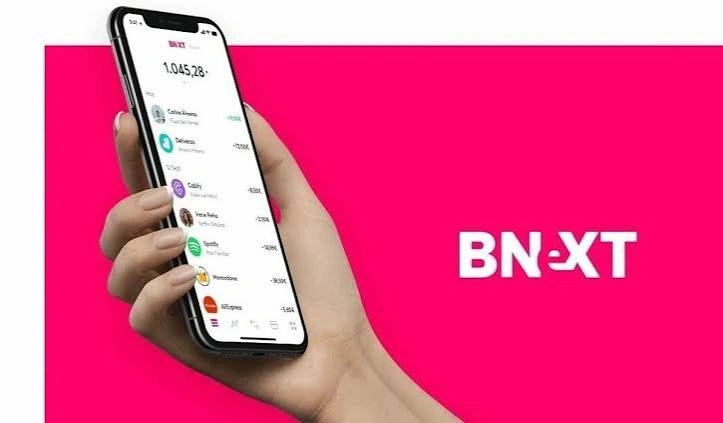
What Is Bnext Token B3X?
B3X is the utility token associated with Bnext, a fintech ecosystem focused on providing digital financial services and solutions. Rather than being designed simply as a standalone cryptocurrency, B3X was created as part of Bnext’s broader ecosystem, connecting blockchain-based token functionality with the company’s digital-finance strategy. The token’s role is therefore best understood in relation to the services, community, and financial products developed around the Bnext platform.
B3X as Bnext’s Utility Token
A utility token is a digital asset designed to provide access to specific benefits, functions, or participation within an ecosystem. Unlike a conventional cryptocurrency that may primarily be viewed as a transferable digital asset or payment medium, a utility token is generally connected to a particular platform or service.
B3X was positioned as Bnext’s ecosystem token, giving the asset a role beyond simply being traded. Its intended purpose was to connect token holders with the wider Bnext community and provide additional opportunities or benefits associated with participation in the ecosystem.
This distinction is important because owning a utility token does not necessarily mean that the token represents ownership of the company behind it. Its usefulness depends on the services and functions that the associated ecosystem provides.
B3X Within the Bnext Ecosystem
Bnext developed B3X as part of an effort to create a more connected financial community. The token was intended to complement Bnext’s fintech services by giving users another way to participate in the ecosystem.
The broader concept was based on the combination of digital financial services and blockchain-based incentives. Instead of separating the token from Bnext’s financial products, B3X was designed to leverage token-based participation to strengthen the relationship among the company, its users, and its wider community.
The specific benefits and functionality associated with B3X have depended on Bnext’s product development and ecosystem strategy, meaning users should consult current official information when evaluating the token’s present status.
Strengthening the Bnext Community
Community participation was an important part of the rationale behind the B3X concept. Digital financial platforms compete not only through individual products but also through the strength of their user communities.
A utility token can provide an additional mechanism for encouraging engagement. Depending on how it is implemented, it can be used to provide benefits, incentives, access, or other forms of participation within a digital ecosystem.
For Bnext, B3X represented an attempt to connect these blockchain-based mechanisms with its existing fintech community. The broader objective was to create an ecosystem in which users could potentially receive additional value from participating in Bnext’s services.
Utility Token vs. Conventional Cryptocurrency
The distinction between a utility token and a conventional cryptocurrency is useful when understanding B3X. Cryptocurrencies such as Bitcoin are generally designed as independent digital assets operating on their own blockchain networks. Utility tokens, on the other hand, are typically created for use within a particular ecosystem.
B3X was designed around Bnext rather than as an independent monetary system. Its purpose was therefore connected to the company’s products, services, and community rather than solely to functioning as a general-purpose digital currency.
This does not eliminate market or technological risks. The value and usefulness of any token can change depending on adoption, liquidity, regulation, and the development of the ecosystem supporting it.
B3X and Bnext’s Digital-Finance Strategy
Bnext’s broader strategy has focused on fintech and digital financial services, seeking to provide technology-driven alternatives and tools for modern financial users. The B3X concept adds a blockchain-based component to that strategy.
By introducing a utility token, Bnext explored how digital assets could complement a fintech ecosystem and create additional forms of user participation. The concept reflects the broader convergence between traditional financial services, fintech platforms, and blockchain technology.
Bnext Token B3X can be understood as a utility-focused digital asset created to support Bnext’s ecosystem and community rather than simply functioning as an independent cryptocurrency. Its significance lies in how token-based participation was intended to complement Bnext’s broader fintech strategy and digital-finance ambitions.
B3X and Bnext’s Financial Services Ecosystem
Bnext has positioned itself within the fintech sector as a provider of digital financial and payment infrastructure, with a focus on technology-driven financial services for businesses and individuals. Its broader ecosystem has been designed around payment capabilities, financial products, and digital tools that can be adapted to different use cases. Within this wider strategy, B3X represents the blockchain-based utility-token component associated with Bnext’s earlier ecosystem vision.
Bnext as a Fintech and Payment Infrastructure Provider
Fintech companies seek to use technology to simplify, automate, or expand access to financial services traditionally delivered through banks and other financial institutions. Bnext has developed its business around this digital-finance model, offering payment and financial solutions intended to serve different types of customers.
Its approach extends beyond a single financial product. Instead, Bnext has presented itself as an infrastructure provider capable of supporting payment services and financial products through digital technology. This positioning allows the company to address both consumer-facing and business-oriented financial requirements.
For businesses, digital payment infrastructure can provide tools for managing transactions and financial operations. For individuals, fintech platforms can offer digital access to payment and financial services through online interfaces and applications.
Modular and Scalable Payment Solutions
A significant part of modern payment infrastructure is the ability to adapt services to different businesses and markets. Bnext has emphasized a modular approach in which financial and payment capabilities can be combined according to the needs of a particular use case.
This type of architecture can allow companies to integrate selected financial functions without having to build an entire payment system from the ground up. Scalability is also important because payment providers may need to support increasing transaction volumes, additional customers, and expansion into new markets.
Bnext’s broader infrastructure strategy reflects this demand for flexible digital financial technology, although the specific products and services available can change as the company develops its business.
Financial Products for Businesses and Individuals
Bnext’s ecosystem covers financial services for both consumers and businesses. Digital payment infrastructure can support everyday transactions while also providing companies with tools for handling payments and related financial operations.
This broader approach places Bnext within the growing fintech landscape, where technology companies increasingly combine payment capabilities with other financial products. Rather than relying exclusively on conventional banking infrastructure, fintech platforms can use digital systems to create more flexible ways of delivering financial services.
The company’s reported footprint provides an indication of the scale associated with its earlier operations. Bnext has reported issuing more than 1.5 million cards and operating across 20 countries, figures that illustrate its stated international reach.
How B3X Fits Into the Digital-Finance Vision
B3X was introduced as a utility token associated with Bnext’s wider ecosystem. Its role was connected to the idea of using blockchain-based incentives and digital assets alongside conventional fintech services.
The token therefore represented an additional layer within Bnext’s digital-finance strategy rather than a replacement for its payment infrastructure. By introducing B3X, Bnext explored how a token-based ecosystem could strengthen community participation and potentially provide additional benefits to users.
This combination reflects the broader convergence between fintech and blockchain. Payment infrastructure can provide the practical financial layer, while blockchain-based assets can introduce programmable digital ownership, incentives, and community participation.
Connecting Fintech With Blockchain
The relationship between B3X and Bnext illustrates how established fintech concepts can intersect with cryptocurrency technology. Payment platforms focus on moving and managing money efficiently, while blockchain networks introduce new mechanisms for creating and transferring digital assets.
B3X was designed within this intersection, linking a utility-token concept to a broader fintech ecosystem. Its significance therefore depends on understanding Bnext as more than a cryptocurrency project.
B3X represents the blockchain-oriented component of Bnext’s wider digital-finance vision. Alongside its reported international payment infrastructure, modular services, and financial products, the token reflects the company’s exploration of how blockchain-based participation could complement modern fintech and payment solutions.

Bnext Token B3X and DeFi Access
Bnext Token B3X was developed as a utility token connected to the broader Bnext financial ecosystem. Beyond its relationship with fintech and payment services, Bnext presented a vision in which B3X could also connect users with decentralized finance, commonly known as DeFi. This direction reflects the growing overlap between traditional financial technology and blockchain-based financial applications. Rather than treating decentralized finance as a completely separate system, Bnext’s approach sought to explore how token ownership could become a gateway to additional digital financial opportunities.
B3X and Bnext’s DeFi Vision
Decentralized finance uses blockchain networks and smart contracts to provide financial functions without relying entirely on traditional intermediaries such as banks or centralized financial institutions. DeFi applications can include decentralized exchanges, lending platforms, liquidity pools, and other blockchain-based financial products.
Bnext’s stated objectives for B3X included connecting the token with this emerging financial environment. The idea was to give the utility token a role beyond the Bnext community itself, potentially allowing holders to participate in or gain access to selected decentralized financial services.
This vision positioned B3X at the intersection of fintech and blockchain. Bnext could provide a technology-driven financial-services ecosystem while DeFi introduced alternative mechanisms for interacting with digital assets.
Holding B3X and Potential DeFi Access
One aspect of the B3X concept was the possibility that token ownership could be connected to access to certain DeFi products or opportunities. Under such a model, holding or using B3X could potentially provide users with eligibility for specific financial services, depending on the conditions established by the ecosystem.
This type of token-based access is not unusual in the broader blockchain sector. Projects can use native assets to determine eligibility for particular features, provide incentives, or create relationships between token ownership and platform participation.
However, it is important to distinguish between potential access described as part of a project’s strategy and a specific DeFi product that is currently operational. The availability of a product depends on whether it has actually been launched, whether the relevant smart contracts are functioning, and whether users can access it under current conditions.
Connecting Traditional Finance With DeFi
The B3X concept also highlights an important development within the financial-technology industry: the convergence of traditional financial services and decentralized finance.
Traditional fintech platforms generally operate through regulated companies and established financial infrastructure. DeFi applications, by contrast, rely on blockchain networks and smart contracts. Each model has different characteristics, benefits, and risks.
A fintech ecosystem such as Bnext can potentially serve as a bridge between these environments by introducing users to blockchain-based financial products while maintaining connections to conventional payment and financial services.
For users, this could create a broader digital-finance experience in which traditional payment tools and decentralized applications exist alongside one another. However, the regulatory, technical, and operational requirements of each system remain different.
Understanding B3X’s Stated Objectives
When evaluating B3X and its relationship with DeFi, readers should carefully distinguish between Bnext’s stated objectives, planned features, and independently verified functionality. A project’s roadmap or promotional material can describe how it intends to use a token, but those intentions do not necessarily demonstrate that a particular product is currently available.
This distinction is especially important for DeFi because users may be exposed to smart-contract, liquidity, market, and cybersecurity risks when interacting with decentralized applications.
Before attempting to use B3X in any DeFi-related activity, users should consult current official Bnext information and verify whether the relevant product is operational, what blockchain and contracts it uses, and what requirements apply.
B3X Within a Broader Digital-Finance Model
Bnext’s DeFi vision for B3X reflects an attempt to combine fintech infrastructure with blockchain-based financial services. The token was intended to provide a link between the Bnext ecosystem and the wider DeFi environment, potentially giving users access to additional forms of digital financial participation.
The concept is significant because it demonstrates how utility tokens can be designed to connect centralized financial services with decentralized applications. Nevertheless, the practical value of this relationship depends on actual product availability, adoption, regulatory conditions, and continued ecosystem development.
B3X and Insured Payments Through Bnext
B3X was designed as a utility token within the broader Bnext financial ecosystem, with its proposed benefits extending beyond a conventional cryptocurrency use case. According to Bnext’s token documentation, one of the features associated with holding B3X was a potential payment-insurance benefit connected to the Bnext card. This concept illustrates how a blockchain-based token can be incorporated into a wider customer-benefit structure, linking digital-asset ownership with services offered through a fintech platform.
B3X and Bnext Card Payment Benefits
Bnext’s token documentation described a benefit in which users holding a certain volume of B3X could qualify for insurance associated with payments made using a Bnext card. The concept created a direct relationship between the amount of B3X held by a user and an additional benefit connected to Bnext’s payment services.
Rather than using the token solely for trading or transfers, this model positioned B3X as part of a broader loyalty and benefits framework. Users who met the stated holding requirements could potentially receive additional protection when using the associated card for eligible payments.
The specific terms, thresholds, coverage limits, exclusions, and eligibility conditions are important when evaluating such a benefit. Readers should consult Bnext’s applicable documentation rather than assuming that every B3X holder automatically receives payment insurance.
How Token Holdings Can Unlock Benefits
Token-based benefits are one way blockchain projects can connect digital assets with real-world services. Instead of treating token ownership as an independent activity, an ecosystem can establish certain benefits for users who hold or use its native asset.
In Bnext’s model, B3X holdings could form part of the criteria for accessing particular customer benefits. The greater concept is similar to a loyalty program, except that eligibility is linked to ownership of a blockchain-based token.
This approach can create an additional reason for users to remain engaged with an ecosystem. Instead of receiving benefits solely because they use a financial service, customers may also qualify through their participation in the associated token economy.
Connecting Cryptocurrency With Payment Services
The insured-payment concept demonstrates how Bnext sought to connect cryptocurrency-related functionality with conventional financial services. The Bnext card represents a familiar payment mechanism, while B3X introduces a blockchain-based component to the relationship.
This combination reflects the broader evolution of fintech, where digital financial services increasingly incorporate technologies associated with blockchain and cryptocurrency. A user does not necessarily need to use cryptocurrency as the direct payment method for a token to have a role in the financial ecosystem.
Instead, token ownership can potentially be used as an eligibility mechanism for additional services, rewards, or other customer benefits.
Understanding the Insurance Conditions
Payment insurance is a regulated and potentially complex financial benefit, so it is important to distinguish between the concept described in Bnext’s token documentation and currently available insurance coverage.
The whitepaper’s description should be understood in the context of the terms and conditions that apply to the Bnext ecosystem and its products. Insurance benefits can involve specific requirements relating to the amount of B3X held, the type of transaction, coverage periods, exclusions, and other conditions.
Consequently, users should not interpret holding B3X as automatically providing unlimited protection for every transaction made through a Bnext card.
B3X as Part of a Customer-Benefit Model
The proposed payment-insurance feature illustrates one of the ways Bnext intended B3X to function as a utility token. Instead of separating the cryptocurrency from its fintech services, the model connected token ownership with potential advantages available to participating users.
This approach demonstrates how utility tokens can be incorporated into customer-benefit structures. B3X could potentially serve not only as a digital asset but also as a mechanism for determining eligibility for certain ecosystem benefits.
The insured-payment concept highlights Bnext’s broader effort to combine fintech services with blockchain-based participation. Readers researching B3X should verify the latest official documentation and applicable Bnext terms before relying on any historical or current benefit, particularly where insurance or financial protection is involved.
Bnext Token B3X represents Bnext’s attempt to incorporate blockchain-based utility into a broader fintech and payment ecosystem. The token was designed with a maximum supply of 3.5 billion B3X and operates natively on Algorand using the ASA standard. Its stated purpose is to provide utility within Bnext while strengthening the company’s community and supporting its broader expansion strategy.
The token’s proposed benefits include preferential rates, access to selected DeFi products, and certain payment-related advantages for qualifying holders. Bnext has also previously promoted B3X Plus, a rewards-oriented feature designed to incentivize users to maintain B3X balances.
The decentralized finance landscape continues to evolve, and new blockchain projects are exploring ways to make digital assets more accessible, transparent, and community-focused. Pinex PINX enters this space as a next-generation crypto ecosystem designed around a DeFi 3.0 protocol, combining blockchain technology, governance features, and digital payment solutions.
B3X reflects an interesting attempt to connect fintech, payment infrastructure, blockchain, and DeFi. However, readers should evaluate the token based on current functionality rather than relying solely on historical plans or promotional claims. Checking Bnext’s latest documentation, understanding the token’s utility, and considering market and technology risks are essential steps before participating.
[…] designed around a DeFi 3.0 protocol, combining blockchain technology, governance features, and digital payment solutions. But what makes PINX different in an increasingly competitive crypto […]