
Aurory AURY: Web3 Gaming Ecosystem & Digital Asset Economy

Table of Contents

Aurory is a Web3 gaming studio building an ecosystem of interactive games centered on original characters, fantasy worlds, and player-owned digital assets. Its current website highlights experiences such as Amiko Legends and Amiko Arena, where players can collect creatures called Amikos, form teams, participate in battles, and earn rewards. Rather than treating blockchain features as the main attraction, Aurory emphasizes gameplay, accessible onboarding, and experiences designed to appeal to both traditional gamers and Web3 users.
AURY is the ecosystem’s native utility token, intended to connect its games and applications through a shared economic system. It supports activities such as marketplace transactions, selected in-game purchases, and access to certain experiences. Aurory also uses its SyncSpace infrastructure to manage on-chain and off-chain assets, helping reduce the friction of blockchain interactions. Understanding the relationship between its games, digital collectibles, token economy, and blockchain infrastructure provides a clearer picture of Aurory’s approach to Web3 gaming.
For more insights and updates on the latest cryptocurrency trends, check out our Nifty Finances platform, your gateway to smarter financial decisions in the digital economy.
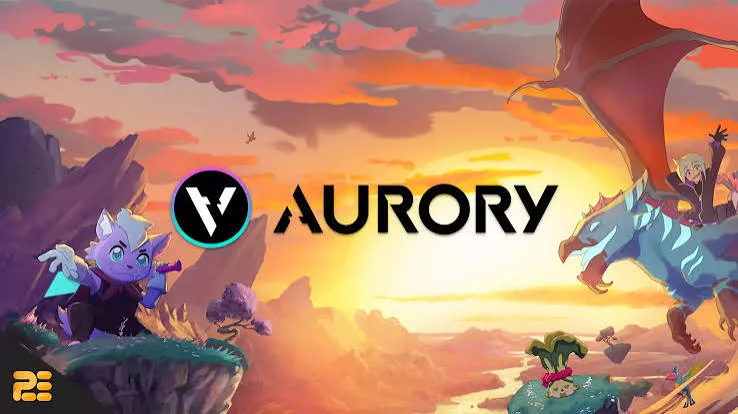
What Is Aurory AURY?
Aurory is a Web3 gaming studio developing interconnected games and digital experiences built around original characters, fantasy-inspired worlds, and blockchain-supported assets. Its central philosophy is to put gameplay first, creating experiences that players can enjoy for their entertainment value rather than requiring them to participate in cryptocurrency activities. Through its growing collection of games, collectibles, and community features, Aurory aims to establish a connected gaming ecosystem that brings traditional gaming experiences together with Web3 technology.
The project focuses on making blockchain gaming more accessible while allowing players to participate in digital ownership and token-based activities when they choose to. Its current official website highlights games such as Amiko Legends and Amiko Arena, which feature collectible creatures, strategic battles, exploration, and player-driven rewards.
Gameplay-First Design and Original Fantasy Worlds
Aurory emphasizes gameplay quality as the foundation of its gaming ecosystem. Rather than presenting blockchain features as the main attraction, the studio focuses on creating enjoyable game mechanics, recognizable characters, and environments that encourage exploration and interaction.
Its games use original characters and shared creative themes to establish a recognizable identity across different experiences. For example, Amiko Legends features creature collection and exploration, where players encounter and collect unique Amikos while deciding how far to progress before extracting their rewards. Amiko Arena focuses on collecting creatures, building teams, and participating in strategic Blitz Battles.
These experiences demonstrate how Aurory combines familiar gaming elements with blockchain-supported digital assets. Players can engage with the gameplay itself while having opportunities to interact with collectible items and the wider ecosystem.
An Interconnected Web3 Gaming Ecosystem
Aurory’s broader vision extends beyond developing individual games. Its whitepaper describes an ecosystem of multiple games, mini-games, and decentralized applications (DApps) built around shared original lore and interoperable assets. This approach aims to give digital items and collectibles a role across different experiences rather than confining them to a single game.
An important part of this infrastructure is SyncSpace, Aurory’s hybrid on-chain and off-chain inventory system. It is designed to reduce the number of blockchain interactions required when players use the ecosystem while supporting the movement of eligible assets between the platform and external wallets. This can make the experience more convenient for players who are unfamiliar with blockchain transactions.
The Role of AURY in the Aurory Ecosystem
AURY is the native utility token of the Aurory ecosystem. According to the project’s whitepaper, it is intended to support activities across its games and products. Its documented use cases include marketplace transactions, certain in-game purchases, access to selected game experiences, and potential participation in game-development decisions through community governance.
The token is available on Solana and Arbitrum, connecting it with different blockchain environments. However, AURY should be distinguished from in-game currencies such as Crystals, which are designed for game progression and do not hold value outside their respective games.
Making Blockchain Gaming More Accessible
Aurory also aims to reduce the technical barriers commonly associated with Web3 gaming. Its documentation describes free-to-play experiences and account creation through familiar social platforms, allowing players to try its games without immediately connecting a cryptocurrency wallet or purchasing digital assets. This approach gives newcomers an opportunity to experience the gameplay before exploring optional blockchain features.
Aurory is the broader gaming studio and ecosystem, while AURY is its associated cryptocurrency token. The project combines gameplay, original characters, collectibles, community participation, and blockchain infrastructure to create connected digital experiences. Its long-term development depends on the quality and adoption of its games, the usefulness of interoperable assets, and the practical implementation of its token-based economy.

Collectible Creatures and Player-Owned Digital Assets
Amikos are distinctive magical creatures that play an important role in the Aurory gaming universe. They are designed as collectible companions that players can discover, hatch, develop, and use throughout their adventures in the fantasy world of Tokane. Beyond their visual designs, Amikos have individual abilities, statistics, elemental characteristics, and rarity levels that influence their roles in gameplay. They also connect Aurory’s gaming experiences with its broader digital asset economy through blockchain-based collectibles.
In games such as Amiko Legends, players encounter Amikos in different environments and can obtain them by hatching eggs. These creatures accompany players during their journeys and participate in Blitz Battles, where their abilities can be used against opponents. Players can also develop their companions by leveling them up, allowing their Amikos to become more capable as they progress through the game.
Collecting Amikos and Building Battle Squads
Amikos are more than decorative collectibles because they have gameplay functions. Each creature has its own combination of attributes and abilities, giving players different options when building teams. Their elemental characteristics also influence how they perform during battles, making creature selection and squad composition important parts of the experience.
Players can acquire Amikos through egg hatching and by encountering wild creatures during adventures. Once collected, these companions can be developed and organized into squads for different challenges. Their abilities support strategic decisions in Blitz Battles, where players must consider their creatures’ strengths and how they work together.
The main gameplay characteristics include:
- Collection: Discover and hatch eggs to obtain different Amiko companions.
- Rarity: Creatures have different rarity classifications that distinguish their availability and collectible characteristics.
- Abilities: Individual Amikos possess abilities and statistics that influence their battle performance.
- Elemental attributes: Element-based characteristics contribute to combat strategy.
- Progression: Players can level up their creatures to develop their capabilities.
This combination of collection and strategy gives Amikos a role in both the entertainment and progression aspects of Aurory’s games.
Amiko DNA and Individual Characteristics
An important feature of Aurory’s Amiko collectibles is their DNA-based design. The project’s whitepaper explains that Amikos are DNA-based NFTs on Solana, with their actual statistics derived from their DNA rather than being stored as separate fixed NFT metadata.
Aurory uses an open-source software development kit (SDK) to translate an Amiko’s DNA into its corresponding statistics. This approach allows the studio to adjust stat ranges and balance gameplay without having to remint or modify the underlying NFTs. It also supports the project’s intention to make Amikos usable across multiple gaming experiences rather than tying each collectible to only one game.
Rarity, DNA characteristics, and individual attributes therefore help differentiate creatures within the collection. However, rarity alone does not necessarily determine battle performance, since team composition, abilities, levels, and gameplay decisions also matter.
Prime and Standard Amikos: Understanding Ownership
Aurory distinguishes between Prime and Standard assets, an important difference for players interested in digital ownership and marketplace trading.
Prime Amikos are on-chain NFTs. Their ownership is recorded on the blockchain, allowing eligible assets to be transferred and traded through the Aurory Marketplace. Standard Amikos, by contrast, are off-chain game assets. They are designed to make collecting and playing more accessible but cannot be sold through the marketplace as NFTs.
This distinction allows Aurory to accommodate different types of players. Those who simply want to enjoy the game can use Standard assets, while players interested in blockchain-based ownership can interact with Prime collectibles.
Connecting Collectibles With the Aurory Marketplace
The Aurory Marketplace provides a wider economic environment for eligible digital assets. Its marketplace uses AURY for transactions involving supported game items, including Nefties, eggs, and cosmetics. Prime Amikos can therefore connect gameplay collection with player-to-player trading, subject to marketplace requirements.
Aurory also uses SyncSpace, a hybrid on-chain and off-chain inventory system, to manage interactions between game assets and blockchain wallets. Players must synchronize eligible items before selling them through the marketplace.
Amikos connects creature collection, strategic gameplay, and digital ownership within Aurory. The distinction between Prime NFTs and Standard off-chain assets is particularly important: both can support gameplay, but only eligible on-chain collectibles provide blockchain-recorded ownership and marketplace trading capabilities.
Connecting On-Chain and Off-Chain Gaming Assets
Aurory uses SyncSpace, a hybrid inventory system designed to connect blockchain-based digital assets with conventional gaming experiences. The system addresses a common challenge in Web3 gaming: players want the benefits of digital ownership and asset trading, but they may not want to approve blockchain transactions every time they interact with a game. By combining blockchain infrastructure with Aurory’s backend inventory, SyncSpace aims to make asset management more convenient while preserving the option to move eligible items into external wallets.
According to Aurory’s whitepaper, SyncSpace consists of two main components: an on-chain blockchain program and an off-chain backend system. Together, they allow supported assets to move between two states, known as Synced and DeSynced. This arrangement supports the studio’s broader goal of making its games accessible to both Web3 users and players who are more familiar with traditional gaming platforms.
Understanding Synced and DeSynced Assets
The two SyncSpace states determine where an asset is held and how it interacts with Aurory’s ecosystem.
- Synced assets: These are deposited into SyncSpace and managed through Aurory’s hybrid inventory system. Players can use supported items within compatible Aurory products without repeatedly interacting with the blockchain.
- DeSynced assets: These are assets that are not deposited in SyncSpace and remain in an external blockchain wallet. Players can retain them outside the platform and move eligible items back into SyncSpace when they want to use supported ecosystem features.
The distinction is important because an asset’s location affects how it can be used. A blockchain-based collectible held in an external wallet may need to be synced before it can participate in certain platform activities. Conversely, a synced asset can be desynced when its owner wants to withdraw it to an external wallet.
This two-way arrangement gives players more flexibility over how they manage their digital items instead of requiring every asset to remain permanently in one environment.
Depositing Assets and Using Them Across Aurory Products
Players can deposit eligible blockchain assets into SyncSpace to make them available within supported Aurory experiences. The process involves connecting a compatible wallet and authorizing the required blockchain transaction to transfer the asset into the system.
Once deposited, synced assets can be used for supported activities such as interacting with games, purchasing items, and accessing other ecosystem features. Aurory’s documentation also describes the ability to hold sufficient synced AURY for purchases and fees, reducing the need to approve a separate wallet transaction for each supported interaction.
The system is intended to simplify the relationship between external wallets and the platform’s internal inventory. However, not every asset or feature should automatically be assumed to support SyncSpace. Players should check the current compatibility requirements before depositing collectibles or tokens.
Moving Gameplay Rewards to External Wallets
SyncSpace also accommodates assets obtained directly through gameplay. Aurory explains that when players earn certain items, those items may initially be created in the platform’s backend rather than immediately recorded on-chain.
This allows players to collect and use supported rewards without requiring a blockchain transaction every time an item is earned. When a player decides to take an eligible item outside the platform, they can choose to DeSync it. The withdrawal process moves the asset from the internal inventory to an external wallet, where it can be held independently and potentially used in compatible blockchain marketplaces or applications.
This approach separates the act of earning an in-game item from the decision to establish or use its on-chain representation. It can therefore make blockchain ownership an optional step in the gameplay experience rather than a requirement for every routine activity.
Reducing Blockchain Friction During Gameplay
One of SyncSpace’s main objectives is to reduce the number of blockchain interactions required during regular gaming sessions. Without a hybrid inventory, players may need to approve transactions repeatedly when transferring assets, purchasing items, or interacting with blockchain-powered features. SyncSpace aims to consolidate certain interactions through an initial deposit, allowing supported activities to take place through the platform’s backend.
This design can make Aurory more approachable for players who are unfamiliar with wallets, transaction approvals, and blockchain fees. It also supports the project’s wider ambition to connect Web3 assets with traditional gaming distribution environments.
SyncSpace serves as a bridge between conventional game inventories and blockchain-based ownership. It gives players the flexibility to use supported assets within Aurory’s ecosystem while retaining the option to withdraw eligible items to external wallets. Its convenience depends on asset compatibility and the platform’s current implementation, but the underlying model illustrates how Aurory seeks to combine accessible gameplay with optional on-chain asset management.
Aurory AURY connects a collection of Web3 gaming experiences through a shared ecosystem of collectible characters, digital assets, and blockchain-supported economic activity. Its games, including Amiko Legends and Amiko Arena, emphasize creature collection, strategic battles, and player progression, while AURY supports selected marketplace transactions, in-game purchases, and other ecosystem activities.
What if building your own tropical island could also introduce you to a player-driven Web3 economy? That is the idea behind Paradise Tycoon MOANI, the native token and game currency of Paradise Tycoon. The project combines sandbox gameplay with resource gathering, farming, crafting, island customization, multiplayer activities, trading, and blockchain-based digital ownership.
Paradise Tycoon MOANI is the native token and in-game currency designed to power the player-driven economy of Paradise Tycoon, a multiplayer sandbox adventure that combines traditional gaming mechanics with blockchain-based ownership. Rather than building the game around combat or conventional play-to-earn mechanics, Paradise Tycoon focuses on exploration, resource gathering, farming, crafting, building, customization, trading, and social interaction. Players can develop their own islands and participate in an open-ended virtual world where their activities contribute to a broader economy.
Infrastructure such as SyncSpace helps bridge on-chain ownership with more accessible off-chain gameplay, supporting the project’s goal of reaching both traditional gamers and Web3 users. The ecosystem’s long-term development depends on engaging gameplay, sustainable reward distribution, and meaningful adoption of its digital assets. Understanding AURY’s utility, tokenomics, multichain availability, and relationship with Aurory’s games provides a useful foundation for evaluating its position in the blockchain gaming industry.