
Alien Worlds TLM: Blockchain Gaming & NFT Metaverse

Table of Contents
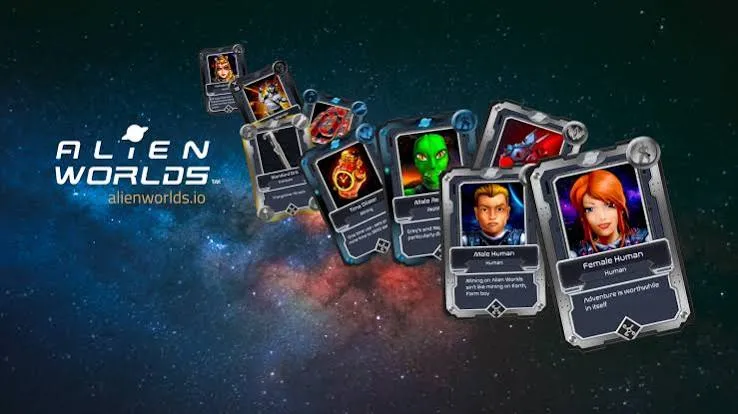
Alien Worlds is a blockchain-based gaming metaverse that combines digital collectibles, resource-based gameplay, and decentralized governance. Players enter a science-fiction universe where they can mine Trilium (TLM), collect non-fungible tokens (NFTs), participate in missions, and contribute to the governance of planetary communities. Rather than operating as a conventional online game with entirely centralized assets, Alien Worlds uses blockchain technology to support its in-game economy and ownership of eligible digital items.
TLM is the ecosystem’s native utility token, used across supported gameplay and governance activities. Players can earn TLM through mining and other game-related activities, use it in missions, and stake it to participate in planetary governance. Alien Worlds also connects multiple blockchain networks, including WAX, Ethereum, and BNB Chain, allowing supported assets and activities to operate across different environments. Its Teleport functionality helps users move TLM between supported networks, although network-specific requirements and transaction fees may apply.
The project brings together gaming, NFTs, token-based incentives, and community decision-making. However, rewards depend on game mechanics and participation rather than guaranteed earnings. Understanding Alien Worlds requires examining its gameplay systems, TLM token utility, NFT economy, planetary governance, and the risks associated with blockchain transactions and digital assets.
For more insights and updates on the latest cryptocurrency trends, check out our Nifty Finances platform, your gateway to smarter financial decisions in the digital economy.
What Is Alien Worlds?
Alien Worlds is a blockchain-based metaverse that combines science-fiction exploration, play-to-earn gaming mechanics, non-fungible tokens (NFTs), and community governance. Set in a virtual universe where players take on the role of Explorers, the game allows participants to mine digital resources, complete missions, collect virtual items, and contribute to decisions that shape the development of different planetary communities. Rather than functioning as a conventional video game with a purely centralized economy, Alien Worlds incorporates blockchain technology to support digital asset ownership and interactions across multiple blockchain networks. Its ecosystem is designed to connect gameplay with a broader community of players, collectors, and developers who create experiences around its virtual universe.
At the center of the experience is Trilium (TLM), the project’s fungible digital token. TLM connects several aspects of the game’s economy, including mining, missions, and planetary governance. Players can earn TLM through supported gameplay activities and use it to participate in other features of the ecosystem. For example, mining rewards can contribute to a player’s available token balance, while TLM can also be used in planetary governance processes to obtain voting power. The token therefore serves purposes within the game’s economic and participation systems, although the rewards available to players depend on the relevant game mechanics and conditions rather than being guaranteed income.
Exploring the Alien Worlds Metaverse
Alien Worlds gives players several ways to interact with its virtual universe. Mining is one of its foundational activities, allowing Explorers to select land, equip tools, and attempt to earn TLM and other in-game rewards. The tools and land selected can influence gameplay mechanics, including mining cooldowns and potential outcomes. This creates a strategic element in which players can consider their digital equipment and the characteristics of different land plots when deciding how to participate.
Missions provide another activity. Players can send spacecraft on virtual journeys and receive eligible rewards when missions conclude. Depending on the mission mechanics, these rewards can include TLM and collectible NFTs. The ecosystem also includes Battledome, a competitive experience in which players use NFT-based characters and weapons in battles. Together, these activities provide different ways to engage with the metaverse beyond a single mining mechanic.
The Role of NFTs and Digital Ownership
NFTs are an important part of Alien Worlds because they represent distinct digital items that can support gameplay and collection. These assets include tools, land plots, avatars, weapons, minions, and mission-related collectibles. Different NFT categories have different functions: tools can affect mining, land represents virtual locations, and combat-related items can be used in supported battle experiences.
Alien Worlds also presents NFTs as building blocks that creators can use to develop games, applications, events, and other experiences. This gives the ecosystem a broader purpose beyond collecting items within the original game. However, the usefulness of an NFT depends on its specific attributes, supported applications, and the rules of the experience in which it is used. Digital ownership does not automatically guarantee market value, liquidity, or benefits in every game.
Planetary Governance and Community Participation
Alien Worlds incorporates decentralized governance through planetary communities known as Syndicates. Players can convert or stake TLM through the relevant governance system to obtain planetary governance tokens and participate in activities such as voting for Custodians. These elected representatives help determine how planetary treasuries are allocated, including funding for mining rewards, community proposals, games, and other initiatives. This structure gives participants a way to contribute to decisions about the development of the metaverse rather than limiting them to gameplay alone.
Alien Worlds combines blockchain gaming, token-based economic mechanics, NFT ownership, and community governance in a shared science-fiction universe. Its appeal lies in the variety of ways players can participate, from mining and missions to collecting digital assets and helping guide planetary communities. As with other blockchain-based games, participants should understand the relevant mechanics, transaction costs, and risks associated with digital assets before committing funds or expecting rewards.
Alien Worlds Gameplay and Mining Mechanics
Mining is one of the core gameplay activities in Alien Worlds, allowing players, known as Explorers, to earn Trilium (TLM) and participate in the game’s blockchain-based economy. The mining system combines land selection, NFT-based equipment, cooldown timers, and reward allocation to create a gameplay loop that involves more than simply clicking a button. Players choose where to mine, configure their tools, complete mining actions, and claim eligible rewards through the game interface. The outcome depends on the equipment and land selected, the available planetary mining resources, and the rules governing reward distribution.
Selecting Land and Equipping Mining Tools
To begin mining, players select a planet and choose a land plot within the Alien Worlds metaverse. Land is represented by NFTs, with individual plots having attributes that influence mining performance. Players can mine on land they own or use plots owned by other participants, subject to the applicable rules and commission settings.
After selecting a plot, Explorers equip their mining tools. Each player receives a basic shovel to get started, while additional tools can be acquired through the game’s NFT ecosystem. Different tools have different attributes, making equipment selection an important part of gameplay. Some tools are designed to improve TLM mining, while others can contribute to NFT-related rewards.
Players can equip up to three tools at a time under the documented mining mechanics. Combining tools allows them to create different equipment setups depending on their preferred mining strategy and the attributes of their selected land.
How Tool Attributes, Land, and Cooldowns Affect Mining
Mining performance depends on the interaction between tool attributes and land characteristics. Tool attributes can include mining power, NFT-related reward potential, and charge time. Land plots also have multipliers that affect the time between mining attempts and the potential rewards available.
Cooldowns determine when a player can perform another mining action. The required waiting period is influenced by the equipped tools and the selected land’s charge-time multiplier. A shorter cooldown may allow more frequent mining, while other land and tool combinations may prioritize different reward characteristics. Players therefore need to consider the trade-offs between mining frequency and potential rewards rather than assuming that one setup is always optimal.
Important factors include:
- Tool attributes: Different tools influence mining performance and the potential to earn TLM or NFT-related rewards.
- Land characteristics: Plot multipliers affect mining timing and reward calculations.
- Tool combinations: Using multiple tools changes the mining setup and can influence cooldown calculations.
- Mining resources: The available reward pool on a planet affects the amount of TLM that can be allocated.
These mechanics create opportunities for strategic equipment selection, although specific attributes and reward parameters can change as the game evolves.
Earning and Claiming TLM Rewards
Each successful mining action can generate a TLM reward based on the applicable mining rules. Players initiate the action through the game interface and approve the required blockchain transaction through their connected wallet. Once the mining action is processed, the reward becomes eligible for claiming according to the game’s reward system.
Mining rewards are not necessarily transferred into a player’s spendable balance immediately. Alien Worlds provides a reward-claiming interface through which players collect eligible mining rewards after the required claim conditions are satisfied. The timing of claims and applicable cooldown rules should be checked in the current game interface because these mechanics may be adjusted.
Landowners and the Mining Economy
Alien Worlds also allows landowners to participate in the mining economy. When other players mine on their land, the applicable commission rules can allocate a portion of the TLM reward to the landowner, while the miner receives the remaining share. This arrangement gives landowners a role in the distribution of mining rewards without requiring them to perform every mining action themselves.
Tool owners can also participate through community-developed tool-loaning systems. These arrangements allow miners to access equipment they do not own, while tool owners may receive compensation when their tools are used, depending on the service’s terms. Such systems extend participation beyond direct mining and NFT ownership.
Alien Worlds mining connects gameplay strategy with its token and NFT economies. Land selection, tool combinations, cooldowns, and reward-pool conditions all influence the experience. Because TLM rewards and NFT outcomes vary according to game mechanics and resource allocation, mining should be understood as a variable-reward game activity rather than a source of guaranteed income.
Alien Worlds NFTs, Land, and Digital Collectibles
Non-fungible tokens (NFTs) are an important part of Alien Worlds, connecting digital ownership with gameplay, collection, and community-created experiences. Unlike fungible tokens such as Trilium (TLM), where individual units are interchangeable, NFTs represent distinct digital assets with their own identifiers and attributes. Within the Alien Worlds metaverse, these assets include virtual land, mining tools, avatars, weapons, minions, and mission-related collectibles. Each category serves a different purpose, allowing players to customize their experience, develop mining strategies, participate in supported game modes, and explore additional activities throughout the ecosystem. The project presents NFTs as building blocks that developers and communities can use to create games, applications, events, and other digital experiences.
Key NFT Categories in Alien Worlds
Alien Worlds supports several NFT categories, each designed around different aspects of its virtual universe.
- Land plots: Land NFTs represent parcels on the game’s planets. Owners can mine their own land or allow other players to mine on their plots, subject to applicable commission rules.
- Mining tools: Tool NFTs are equipment used during mining. Their attributes influence factors such as mining power, cooldown time, and the potential to receive certain rewards.
- Avatars: Avatar NFTs represent player characters and provide visual identity within the metaverse. Their functionality depends on the game mode and the specific asset.
- Weapons and minions: These NFTs support combat-oriented experiences, including Battledome, where players select equipment and characters according to the game’s battle mechanics.
- Mission-related collectibles: Mission NFTs can feature attributes such as crafting keys, base power, and boost power, which may be used by supported applications and games.
These categories illustrate how Alien Worlds connects collectible assets with practical gameplay functions. However, not every NFT has the same level of utility, and some items may primarily serve as collectibles or be intended for experiences developed by third parties.
How Land and Tools Influence Gameplay
Land and tools are particularly important for players who participate in Alien Worlds mining. Each land plot has its own characteristics and multipliers that interact with the attributes of equipped tools. These combinations influence the mining cooldown and potential reward calculations, giving players reasons to compare different plots and equipment configurations.
Players can use up to three mining tools simultaneously under the game’s documented mining mechanics. Some tools emphasize mining efficiency, while others may improve the potential to obtain NFT-related rewards. Landowners can also participate in the mining economy by collecting commissions when other players mine on their plots, according to the applicable settings.
This system gives land and tool NFTs a functional role beyond their appearance or rarity. Nevertheless, stronger attributes do not guarantee a particular financial return, and actual rewards depend on the game’s current rules, resource allocation, and other relevant conditions.
Blockchain Ownership and NFT Transfers
Alien Worlds uses blockchain infrastructure to record supported digital assets and their associated transactions. Its ecosystem spans WAX, BNB Chain, and Ethereum, with different activities and assets associated with different networks. The help center identifies the Mining Game with WAX and the Missions Game with BNB Chain, illustrating why network compatibility matters when managing NFTs and participating in different experiences.
Depending on the asset and its applicable rules, NFTs may be held through compatible wallets and transferred through supported blockchain mechanisms or marketplaces. However, users should not assume that every Alien Worlds NFT can be freely transferred or used across every network. The project’s terms also describe restrictions that may apply to NFT transfers, so the relevant conditions should be checked before purchasing or moving an asset.
What to Check Before Acquiring Collectibles
Before obtaining an Alien Worlds NFT, players should examine its attributes, rarity, network, transferability, and intended use. They should confirm whether an item works in the gameplay activity they want to access and whether its functionality depends on a particular application or community project. Transaction fees, marketplace liquidity, and the possibility of changing game mechanics are also worth considering.
Alien Worlds NFTs combine collectible value with potential gameplay utility. Land can shape mining opportunities, tools can influence gameplay mechanics, avatars provide character identity, and mission or combat assets can support additional experiences. Understanding these distinctions helps players choose assets according to their actual interests rather than assuming that rarity alone determines usefulness or value.
Alien Worlds (TLM) is a blockchain gaming metaverse that combines mining, NFT-based gameplay, missions, and planetary governance. Its native Trilium token supports important parts of the in-game economy, allowing players to participate in selected activities and governance systems. The project also uses multiple blockchain networks to support different gameplay features and enable TLM transfers through its Teleport functionality.
What happens when blockchain meets gaming, NFTs, virtual reality, and machine learning? PKG Token PKG is built around exactly that combination. PKG is a multi-chain decentralized game and NFT platform operating across Ethereum and Binance Smart Chain, with a vision of making PKG a standard currency across different games.
NFTs provide additional gameplay and digital-ownership features, while planetary communities offer mechanisms for player participation in ecosystem decisions. TLM rewards are not guaranteed income, NFT values can fluctuate, and cross-chain interactions introduce additional technical considerations. Understanding the game’s mechanics, token utility, and risks is essential for anyone exploring the Alien Worlds ecosystem.
[…] Instead of relying solely on traditional payment methods, players can use PKG to buy, sell, or rent digital game goods and NFTs. The platform also explores VR and AR technologies to create more immersive experiences, while […]