
Pillar PLR: Multichain Wallet & Governance Token

Table of Contents

Welcome to your complete guide on Pillar PLR — the governance token at the heart of the innovative decentralized crypto wallet designed to simplify and empower your Web3 experience! Pillar is a self‑custodial, community‑run, multichain DeFi smart wallet that lets users store, swap, and interact with assets seamlessly across multiple blockchain networks. At its core is the PLR token, giving holders a voice in governance, access to rewards, and participation rights in shaping the future of the platform.
Whether you’re new to crypto or a seasoned DeFi user, you’ll find how PLR enhances transaction privacy, reduces gas fee friction, and fosters a collaborative ecosystem built by its community of users. From governance participation to hands‑on wallet utilities, this article will break down everything you need to understand about Pillar PLR and why it matters in the evolving world of decentralized finance!
For more insights and updates on the latest cryptocurrency trends, be sure to check out our Nifty Finances platform, your gateway to smarter financial decisions in the digital economy.
What Is Pillar PLR?
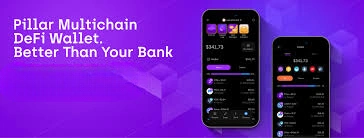
Pillar PLR is the native governance token of the Pillar decentralized smart wallet ecosystem, a multichain, community‑driven, non‑custodial crypto wallet designed to make decentralized finance (DeFi), assets, and applications more accessible and user‑friendly. While Pillar itself is a secure, open‑source wallet that supports multiple blockchains and enables users to manage their tokens, DeFi positions, NFTs, and cross‑chain activity, the PLR token gives users a direct voice in how the ecosystem evolves, aligning governance, development, and community incentives.
At its core, PLR represents participation and ownership in the Pillar ecosystem. Token holders aren’t just passive observers—they are active participants in a decentralized autonomous organization (DAO) that steers product development, treasury allocation, feature roadmapping, and broader strategic decisions. This governance model is designed to ensure that the wallet truly belongs to its users and that the community can shape the future of Pillar.
Overview of Pillar as a Multichain Decentralized Smart Wallet
Pillar is built as a decentralized smart wallet that prioritizes security, privacy, interoperability, and ease of use. Unlike custodial wallets that hold users’ private keys on their behalf, Pillar lets users maintain full control of their own assets through smart contract–based wallets that enhance security and simplify recovery. Integrated with multiple EVM‑compatible blockchains—including Ethereum, Polygon, Gnosis Chain, Avalanche, and Binance Smart Chain—Pillar enables users to manage all digital assets from a single address and dashboard, seamlessly navigating different networks without switching apps.
This multichain functionality makes Pillar an attractive choice for both newcomers and experienced users seeking to manage tokens, NFTs, DeFi positions, and decentralized applications (dApps) all in one place. The wallet also includes built‑in swapping, analytics, and cross‑chain tools that streamline common crypto activities, helping lower barriers to entry for DeFi.
Introduction to PLR as the Native Governance Token
PLR is the governance backbone of Pillar’s community‑run ecosystem. The token grants holders voting rights and decision‑making powers within the Pillar DAO, where users can propose, debate, and vote on initiatives that influence how the wallet and broader ecosystem grow.
Participation in governance isn’t just symbolic. Holders who meet a minimum threshold (such as holding a specified number of PLR tokens or liquidity provider tokens) gain access to the “Governors’ House,” where discussions, proposals, and votes take place. This structure ensures that those who are invested in the success of Pillar have a say in how funds are spent, what features are prioritized, and how partnerships are pursued.
Additionally, PLR may be used for staking or other community‑centric mechanics that further align incentives between active users and the long‑term health of the ecosystem, reinforcing the token’s role as both a governance and community participation tool.
How PLR Integrates Into the Pillar Ecosystem
PLR isn’t a standalone token—it’s woven into the fabric of the Pillar ecosystem. Beyond governance, PLR underpins community incentives, helps fund strategic initiatives, and aligns the interests of users with the ongoing development of the platform. The Pillar DAO treasury, managed collectively by token holders, can allocate PLR to finance product improvements, marketing campaigns, ecosystem partnerships, and educational efforts to bring more users into DeFi and the Pillar wallet experience.
Pillar’s open‑source, non‑custodial design means every user participates in a transparent system where community decisions and code changes are visible on‑chain, reinforcing trust and accountability.
Pillar’s Goal of Making DeFi Accessible and User-Friendly
The overarching goal of Pillar and its PLR governance model is simple but ambitious: to make DeFi accessible, understandable, and convenient for users of all experience levels. By offering a unified smart wallet with multichain support, intuitive interfaces, and community‑driven governance, the project seeks to lower the barriers that often prevent average users from engaging with decentralized finance.
PLR’s role in this vision is vital. By giving users a stake in the platform’s future and a platform to influence how tools are built and prioritized, Pillar aims to cultivate an ecosystem where innovation, community priorities, and real‑world usability converge.
Pillar PLR is much more than a token—it is a governance instrument and community catalyst at the heart of a decentralized smart wallet that strives to democratize access to DeFi and multichain crypto services. Through PLR, users help direct the evolution of the platform while benefiting from a secure, interoperable, and user‑centric wallet experience.
Core Features of the Pillar Wallet
The Pillar Wallet is designed to combine security, multichain functionality, and user-friendly features in a decentralized smart wallet. By focusing on self-custody, privacy, and accessibility, Pillar allows users to manage digital assets and interact with decentralized finance (DeFi) applications across multiple networks without relying on custodial services. Its core features—self-custody, multichain support, cross-chain swaps, and built-in analytics—make it a versatile tool for both beginners and experienced crypto users.
Self-Custody and Privacy: You Control Your Keys
At the heart of Pillar’s design is the principle of self-custody. Unlike centralized wallets or exchanges, Pillar allows users to retain full control of their private keys, meaning they are the ultimate authority over their assets.
Key aspects of this approach include:
- Private key ownership: Users hold the cryptographic keys that grant access to their funds, rather than relying on a third party.
- Non-custodial security: Even if the platform itself is compromised, user assets remain protected because only the holder has the keys.
- Privacy-focused design: No centralized service has full access to personal wallet data, transaction history, or asset holdings.
This self-custody model not only enhances security but also empowers users to participate in DeFi safely, aligning with Pillar’s goal of making blockchain usage both private and user-controlled.
Multichain Support Across Major EVM Networks
Pillar Wallet is a multichain smart wallet, supporting major Ethereum Virtual Machine (EVM)-compatible networks such as Ethereum, Polygon, Binance Smart Chain, Avalanche, and Gnosis Chain. This feature enables users to:
- Manage multiple blockchain assets from a single interface
- Interact with DeFi applications and dApps across different ecosystems without switching wallets
- Access network-specific liquidity and services efficiently
By consolidating multichain capabilities in one platform, Pillar reduces complexity and helps users seamlessly navigate diverse networks—a major pain point for crypto enthusiasts and newcomers alike.
Cross-Chain Swaps and Low-Fee Usability
Pillar Wallet integrates cross-chain swap functionality, allowing users to exchange assets across supported networks with minimal friction. These swaps are designed to be cost-effective and efficient, leveraging lower-fee networks where possible.
Benefits of this feature include:
- Convenience: Swap tokens across chains directly in the wallet, without relying on external exchanges
- Reduced transaction costs: Optimize swaps to minimize gas fees by routing through efficient chains
- Time savings: Users can manage portfolios and move assets instantly without multiple platforms
This cross-chain usability enhances the practical application of Pillar Wallet, particularly for DeFi users who frequently interact with multiple ecosystems.
In-Wallet Analytics and Fiat On/Off Ramps
To improve usability, Pillar Wallet incorporates built-in analytics and support for fiat on/off ramps:
- Portfolio tracking and analytics: Users can monitor token balances, transaction history, and performance across chains
- Fiat integration: Buy crypto with fiat or convert holdings back to fiat directly in the wallet
- DeFi insights: Access yield, staking, and liquidity information for supported protocols
These tools make it easier for both beginners and experienced users to understand, manage, and utilize their assets, bridging the gap between traditional finance and DeFi.
The Pillar Wallet combines self-custody, privacy, multichain access, cross-chain swaps, and advanced analytics to create a secure and user-friendly decentralized wallet. By offering low-fee, interoperable solutions and integrated fiat pathways, Pillar empowers users to manage their crypto assets efficiently while participating fully in the DeFi ecosystem.
PLR Token Utility & Governance
The PLR token is the native governance asset of the Pillar Wallet ecosystem, serving as both a decision-making tool and a mechanism to align incentives between users, developers, and the broader community. By integrating PLR into a decentralized autonomous organization (DAO), Pillar ensures that development, product features, and resource allocation are guided by the stakeholders who actively use and contribute to the platform.
PLR as a Governance Token
At its core, PLR functions as a governance token, granting holders the right to participate in key decisions regarding the Pillar ecosystem. This includes:
- Voting on product roadmap proposals: PLR holders influence which features are prioritized in wallet development, such as new DeFi integrations, cross-chain enhancements, or UX improvements.
- Treasury allocation: Decisions about how community funds are spent—whether on development grants, ecosystem incentives, marketing, or partnerships—are made collectively by PLR holders.
- Protocol upgrades: Token holders vote on significant changes to the wallet’s smart contracts, security protocols, or multichain support structures.
This governance model empowers users to have a direct voice in shaping the platform while creating accountability for developers and the team managing the ecosystem.
Role in the Pillar DAO Community
The Pillar DAO is the community-governed hub where PLR holders participate in ecosystem decisions. Through the DAO, members can propose initiatives, engage in discussions, and vote on important governance matters.
Key aspects of Pillar DAO include:
- Proposal submission: Any community member meeting participation requirements can submit ideas for funding or development.
- Discussion and feedback: Proposed initiatives are debated openly, ensuring transparency and collective input.
- Voting mechanics: PLR token weight determines voting influence, meaning those with more vested interest in the ecosystem have greater decision-making power.
The DAO fosters a sense of community ownership, ensuring the wallet evolves in a way that reflects user needs and priorities rather than being purely centralized.
Governance Thresholds and Participation Requirements
To maintain effective governance while preventing spam or low-quality proposals, the Pillar DAO enforces participation thresholds. These requirements may include:
- Minimum PLR holdings: Users must hold a specific number of PLR tokens to propose or vote on initiatives.
- Voting quorum thresholds: Certain proposals require a minimum percentage of token participation to pass, ensuring decisions reflect collective agreement rather than a small subset of holders.
- Time-bound voting periods: Votes remain open for a predefined period to allow broad community engagement.
These measures balance accessibility with practical governance, preventing manipulation while encouraging active, informed participation.
How PLR Aligns Incentives Between Users and Developers
By granting decision-making authority and a stake in governance, PLR aligns the incentives of users and developers in multiple ways:
- Shared success: Users have a vested interest in the wallet’s growth and functionality, encouraging them to provide feedback, test features, and promote adoption.
- Developer accountability: Developers are motivated to build features and integrations that meet community needs, knowing token holders guide the roadmap.
- Long-term ecosystem sustainability: Both users and developers benefit from a secure, widely used, and functional wallet, creating a mutually reinforcing incentive structure.
This alignment ensures that the Pillar ecosystem is guided by those who actively use it, reinforcing its user-centric and community-driven approach.
The PLR token is central to Pillar’s governance and incentive structure. By empowering holders to vote on product decisions, treasury allocation, and protocol upgrades, PLR fosters a decentralized, transparent, and user-focused ecosystem. Through the DAO, token holders and developers collaborate closely, aligning their interests to ensure the wallet continues to evolve in a secure, accessible, and community-driven manner.
How to Use, Store, & Earn PLR
The PLR token is the governance and utility token of the Pillar Wallet ecosystem. Beyond enabling holders to vote on proposals and treasury decisions, PLR can be used, stored, and earned through various methods that integrate wallet functionality, staking, community participation, and cross-chain engagement. Understanding these options helps users maximize the benefits of holding PLR while actively contributing to the Pillar ecosystem.
Integrating PLR with Wallets Like MetaMask
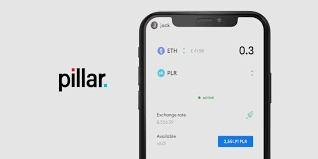
PLR is an ERC-20 token, making it compatible with Ethereum-based wallets such as MetaMask. To integrate PLR with a wallet:
- Install and configure MetaMask: Download the browser extension or mobile app and create a secure wallet.
- Connect to the Ethereum network: PLR operates primarily on Ethereum, so ensure your wallet is set to the Ethereum Mainnet.
- Add PLR as a custom token: Use the official PLR contract address (from the Pillar website or verified sources) to display balances.
- Verify balances and transactions: Ensure that incoming PLR transactions are reflected in your wallet before interacting with DeFi or governance features.
Integrating PLR with a personal wallet allows users to participate in governance, staking programs, and ecosystem activities securely while retaining full control over their tokens.
Holding and Staking Implications
Holding PLR is not merely passive. Token holders can stake PLR to participate in governance or earn potential rewards through ecosystem programs.
Key points about holding and staking PLR include:
- Governance access: Holding PLR is a prerequisite for voting on proposals and treasury decisions in the Pillar DAO.
- Staking opportunities: Certain programs allow token holders to lock PLR for defined periods in exchange for rewards, which may include additional PLR tokens or benefits within the Pillar ecosystem.
- Long-term alignment: By holding PLR, users are incentivized to contribute to the wallet’s growth and security, aligning their interests with developers and other community members.
These mechanisms encourage long-term engagement and help maintain a stable, active governance structure.
Potential Rewards, Ambassador Programs, and Ecosystem Participation
Beyond staking, PLR holders can earn rewards through community-driven programs designed to incentivize participation. Examples include:
- Ambassador or referral programs: Users can earn tokens or bonuses by onboarding new members and promoting ecosystem adoption.
- Participation in campaigns or governance initiatives: Active engagement in voting or proposal submission may be rewarded with PLR incentives.
- Contributions to ecosystem development: Developers or contributors who build dApps, integrate services, or provide educational content may receive PLR rewards.
These initiatives help grow the Pillar ecosystem while rewarding token holders for active involvement and meaningful contributions.
Cross-Chain Community and Educational Engagement
Pillar Wallet emphasizes multichain interoperability, allowing PLR holders to participate in cross-chain programs and educational initiatives. This includes:
- Community forums and governance discussions across multiple networks
- Educational workshops and tutorials to help users understand DeFi, smart wallets, and governance processes
- Cross-chain staking or reward programs to incentivize engagement on different supported networks
By providing cross-chain opportunities, Pillar ensures that PLR holders can engage broadly, learn continuously, and contribute meaningfully to a diverse ecosystem.
PLR tokens can be securely stored in compatible wallets, used for governance and staking, and earned through ambassador programs, campaigns, and ecosystem contributions. By holding and actively participating with PLR, users gain influence in the Pillar DAO, access to rewards, and opportunities to contribute to a growing, community-driven, multichain DeFi ecosystem.
Pillar PLR is more than a token — it’s the governance heartbeat of a decentralized, multichain smart wallet ecosystem designed for everyday crypto users and DeFi enthusiasts. With features like self‑custody, cross‑chain flexibility, and community governance, Pillar offers a powerful alternative to traditional wallets, empowering users to manage assets with privacy, control, and efficiency. Whether you’re exploring governance participation, optimizing cross‑chain DeFi interactions, or earning rewards within the ecosystem, understanding PLR’s role is key to unlocking the full potential of the Pillar platform.
Welcome to the world of seamless crypto management! Did you know that over 30 million users across 200+ countries trust TokenPocket (TPT) for their digital asset needs? Whether you’re a seasoned DeFi enthusiast or just starting your Web3 journey, TokenPocket offers a secure, multi-chain wallet experience. From buying and storing tokens to engaging with decentralized applications (DApps), TokenPocket has you covered.
Dive in, get involved, and see how decentralized governance and smart wallet technology can enhance your Web3 journey!
[…] a seasoned DeFi enthusiast or just starting your Web3 journey, TokenPocket offers a secure, multi-chain wallet experience. From buying and storing tokens to engaging with decentralized applications (DApps), TokenPocket has […]