
How to Start Bitcoin Mining

Table of Contents
To start Bitcoin mining, you need specialized mining hardware (ASICs), reliable electricity, mining software, and a digital wallet. Beginners often join mining pools to combine resources and share rewards.
For more insights and updates on the latest trends in cryptocurrency, be sure to check out our Nifty Finances platform, which serves as your gateway to smarter financial decisions in the digital economy.
What Is Bitcoin Mining?
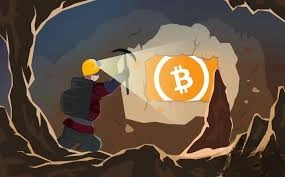
Bitcoin mining is the backbone of the Bitcoin network. It involves solving complex mathematical problems using specialized computers called ASICs (application-specific integrated circuits). When a miner successfully solves a problem, they add a new block of transactions to the blockchain and receive a reward in the form of bitcoins and fees. This process ensures the network’s integrity and prevents fraud or double-spending.
Why People Mine Bitcoin
People mine Bitcoin for several reasons:
- Earning Rewards: Miners receive bitcoin and transaction fees for validating blocks.
- Supporting the Network: Mining helps maintain Bitcoin’s decentralized security model.
- Interest in Technology: Some mine to learn more about blockchain and participate in the ecosystem.
While mining can be financially motivated, it is also a way to contribute to the network’s overall stability.
What You Need to Start Mining
Starting Bitcoin mining requires specific resources:
- Hardware: ASIC miners are highly efficient machines built solely for mining. General-purpose computers or graphics cards are no longer competitive for Bitcoin.
- Electricity: Mining consumes a lot of power. Access to low-cost, stable electricity is crucial.
- Internet Connection: A reliable connection ensures miners stay in sync with the Bitcoin network.
- Mining Software: Programs that connect your hardware to the Bitcoin network or a mining pool.
- Bitcoin Wallet: A secure place to receive and store your mining rewards.
How to Start Bitcoin Mining
Here’s an overview of the steps to begin mining:
- Research and Choose Hardware: Compare ASIC miners based on cost, energy efficiency, and hashrate (computing power).
- Set Up a Suitable Space: Ensure proper ventilation and cooling to prevent overheating.
- Join a Mining Pool: Mining pools combine resources from many miners and share rewards. Pools improve the chances of earning more consistent payouts.
- Install Mining Software: Connect your ASIC to mining software compatible with your chosen pool.
- Set Up a Wallet: Create a secure Bitcoin wallet to receive earnings. Hardware wallets or reputable software wallets are common choices.
These steps help streamline the process for beginners and reduce wasted resources.
Costs and Profitability Considerations
Mining can require substantial investment. Key factors include:
- Upfront Costs: Purchasing ASICs, power supplies, and cooling equipment can be expensive.
- Electricity: Energy usage often represents the largest ongoing cost.
- Difficulty and Rewards: The Bitcoin network adjusts mining difficulty, affecting how often miners receive rewards.
- Market Price: Earnings fluctuate with Bitcoin’s market value.
Profitability calculators can estimate potential returns but are only as accurate as the data provided.
Risks and Challenges
Mining has its difficulties:
- High Competition: Many miners compete for the same rewards, reducing individual chances.
- Hardware Wear and Tear: ASICs can degrade over time and become less efficient.
- Technical Knowledge Needed: Understanding setup, maintenance, and troubleshooting is essential.
- Environmental Impact: Mining consumes significant energy, raising sustainability concerns.
These factors can make mining challenging, especially for individuals without access to cheap electricity or technical expertise.
Bitcoin mining is a key part of the cryptocurrency ecosystem, offering opportunities to earn Bitcoin and support the network. However, starting requires careful planning, significant investment, and an understanding of the challenges involved.
Before committing, assess your resources, consider the costs, and Do Your Own Research (DYOR). Understanding the basics helps ensure informed decisions and realistic expectations.