
MAX Exchange Token MAX: Trading Benefits & Rewards

Table of Contents

Cryptocurrency exchanges offer more than a place to buy and sell digital assets. Some also issue platform tokens that give users access to trading discounts, rewards, and additional services. MAX Exchange Token (MAX) is the platform token associated with MAX Exchange, a digital asset trading platform operated by Taiwan-based MaiCoin. Its ecosystem connects cryptocurrency trading with token holding and locking rewards, giving active users additional features to explore beyond spot markets.
The MAX token is designed to provide practical benefits within the exchange, including discounts on eligible trading and withdrawal fees when used according to the platform’s current terms. Users can also explore holding and staking-related reward programs, although the rules and returns may change. So, what makes MAX different from other exchange tokens? How do its benefits work, and what should users understand before acquiring or locking their tokens? In this article, we will examine MAX’s utility, reward mechanisms, trading ecosystem, and key risks to help readers understand its role in the platform.
For more insights and updates on the latest cryptocurrency trends, check out our Nifty Finances platform, your gateway to smarter financial decisions in the digital economy.
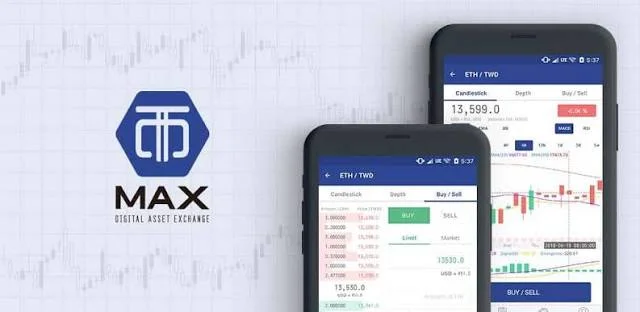
What Is MAX Exchange Token and How Does It Work?
MAX Token is an exchange utility token associated with MAX Exchange, a digital asset trading platform operated within Taiwan’s MaiCoin ecosystem. Unlike the native coin of a general-purpose blockchain, MAX is designed primarily to provide platform-specific benefits to users of the exchange. Its functions are connected to trading fees, token holding and staking rewards, and other services offered through the platform.
The token forms part of MAX Exchange’s broader ecosystem, which provides cryptocurrency trading markets and tools for users. By linking MAX Token to exchange activities, the platform aims to encourage participation and give users additional ways to access certain benefits. However, the exact value of these benefits depends on the exchange’s current rules and reward programs.
MAX Token and the MaiCoin Ecosystem
MAX Exchange is part of the MaiCoin ecosystem in Taiwan, which provides digital asset trading and related services. MAX Exchange allows users to trade cryptocurrencies through supported markets, while MAX Token serves as a utility asset within that environment.
The exchange’s support documentation identifies MAX Token as an ERC-20 token. This means it follows Ethereum’s token standard rather than functioning as an independent blockchain with its own consensus mechanism and native network coin.
The distinction is important because MAX Token’s primary purpose is tied to the exchange’s services. Its usefulness therefore depends on the availability of supported features, the platform’s operating policies, and demand from users who want to access its benefits.
Trading Fee Discounts and Platform Benefits
One of MAX Token’s principal functions is to help users offset eligible trading fees. MAX Exchange uses a maker-taker fee model, in which charges depend on whether an order adds liquidity to the order book or matches an existing order. Eligible users can use MAX Token to offset certain transaction fees according to the platform’s current rules.
The token is also associated with holding and staking reward programs. Users may be able to earn MAX Token rewards by maintaining eligible balances or participating in the exchange’s staking arrangements. Reward calculations and eligibility can depend on factors such as the amount held, staking participation, and the program’s terms.
Key platform-related functions include:
- Trading fee offsets: Eligible MAX Token balances can be used to reduce applicable exchange fees.
- Holding rewards: Users may qualify for rewards under the exchange’s holding program.
- Staking rewards: Eligible participants can stake MAX Token to access the platform’s specified reward arrangements.
- Exchange participation: The token provides an additional way for users to engage with MAX Exchange’s ecosystem.
These benefits are not equivalent to guaranteed income. Reward rates, eligibility rules, and fee-offset conditions can change, and the token’s market price may fluctuate.
MAX Exchange Markets and Trading Pairs
MAX Exchange supports cryptocurrency trading through markets denominated in New Taiwan dollars (TWD) and Tether (USDT), among other supported trading pairs. The platform lists MAX/TWD and MAX/USDT markets, allowing eligible users to trade MAX Token against these assets.
These pairs serve different purposes. MAX/TWD provides a market priced in New Taiwan dollars, while MAX/USDT allows trading against a stablecoin designed to track the US dollar. Availability, liquidity, trading volume, and market prices may differ between the pairs.
Users should check the exchange’s live market interface before trading, as listed pairs, fees, and trading conditions can change over time. A listed pair also does not guarantee deep liquidity or execution at a preferred price.
MAX Exchange vs. MAX Token
It is important to distinguish the exchange from the token itself. MAX Exchange is the trading platform where users place orders and access supported services. MAX Token is the ERC-20 utility token associated with benefits within that platform. Neither should be confused with unrelated digital assets that use the name or ticker MAX.
MAX Token’s utility depends heavily on MAX Exchange and the continued availability of its associated programs. Users should review the current token documentation, reward conditions, fee policies, and withdrawal requirements before participating. They should also consider market volatility, liquidity, smart-contract risks, and their exposure to the exchange itself.
MAX Token is designed to connect token ownership with practical benefits in the MaiCoin ecosystem. Understanding its role as an exchange utility token, rather than a general-purpose blockchain coin, helps clarify both its intended uses and its limitations.
MAX Holding Rewards and Token Staking Mechanisms
MAX Exchange offers holding and staking-related reward mechanisms designed to give eligible users additional benefits for maintaining MAX Token within its ecosystem. These programs connect token ownership with participation in the exchange, allowing users who meet the relevant requirements to potentially receive additional MAX tokens. However, holding tokens in an account and locking them under a specific reward program are not necessarily the same activity, and users should understand the applicable rules before participating.
The structure of these programs may change over time as the exchange updates its policies, reward calculations, and eligibility requirements. For that reason, users should consult MAX Exchange’s current announcements and official support documentation rather than relying on historical reward rates or previously published program conditions.
Understanding MAX Holding Rewards
A holding reward program generally calculates benefits based on the amount of eligible tokens maintained by a user during a defined period. Depending on the exchange’s rules, the system may take periodic balance snapshots or use another published calculation method to determine each participant’s share of the reward pool.
For MAX Token holders, this arrangement can provide a way to participate in platform rewards without necessarily entering a separate locking agreement. Nevertheless, merely owning MAX tokens does not automatically mean that an account qualifies for every reward program. Eligibility may depend on where the tokens are held, minimum balance requirements, account status, and the terms of the specific program.
Users should also distinguish between rewards paid in MAX Token and changes in the token’s market value. Receiving additional tokens increases the number held, but it does not guarantee that the total portfolio value will rise.
Holding Tokens vs. Locking MAX
Holding and locking tokens involve different levels of participation.
Holding generally means maintaining an eligible balance in an account or supported wallet. Depending on the program, users may retain greater flexibility to transfer or use those tokens, although exchange-specific eligibility rules can still apply.
Locking or staking typically requires users to commit tokens to a designated program for a specified period or under defined conditions. In exchange, participants may qualify for rewards calculated using the program’s published methodology. Some arrangements can restrict withdrawals or require users to wait until a lock-up period ends.
Before joining a locking program, users should check:
- The minimum amount of MAX Token required to participate.
- Whether tokens become unavailable for trading or withdrawal.
- The program’s duration and any early-unlocking conditions.
- How rewards are calculated and when they are distributed.
- Whether participation involves additional fees or other restrictions.
The exact distinction between holding and locking depends on MAX Exchange’s current program design. Users should not assume that every MAX reward arrangement has the same requirements.
How Reward Calculations and Distribution Work
Reward calculations may consider factors such as eligible token balances, staking power, holding duration, and the amount allocated to a reward pool. Staking power, where applicable, represents the weight assigned to a participant under the program’s rules; it should not be assumed to equal the token balance in every arrangement.
A reward formula may distribute available tokens proportionally among eligible participants. For example, if a program allocates a fixed pool among users according to their eligible staking power, a participant with a larger qualifying share may receive a larger portion of that pool. The actual calculation, however, depends on the exchange’s published formula and any applicable limits.
Once rewards are calculated, eligible users may receive additional MAX tokens in accordance with the program’s distribution schedule. The timing, minimum payout requirements, and treatment of partial periods should be verified using current official documentation.
Why MAX Rewards Are Not Guaranteed Returns
Holding or staking rewards should not be treated as fixed investment income. The amount distributed may change with the program’s rules, participation levels, eligible balances, or available reward allocation. A program may also be modified, suspended, or discontinued under its terms.
Users should consider several risks:
- Token-price volatility: The market value of MAX can fall even when a participant receives additional tokens.
- Liquidity restrictions: Locked tokens may not be immediately available when market conditions change.
- Program changes: Reward formulas, eligibility, and distribution schedules may be revised.
- Platform exposure: Participants may face operational, account-access, or exchange-related risks.
Evaluating MAX Holding and Staking Programs
MAX holding and staking mechanisms are designed to connect token ownership with participation in the exchange ecosystem. To evaluate them properly, users should verify the current program rules, calculate the expected token reward under those rules, and consider liquidity and market risks alongside the potential benefit.
Additional MAX tokens can increase a user’s token balance, but the resulting financial outcome depends on the actual distribution terms and the token’s market value. Careful review of official information is essential before committing funds to any reward program.
MAX Exchange Trading Features and Digital Asset Markets
MAX Exchange is a cryptocurrency trading platform within Taiwan’s MaiCoin ecosystem, offering spot markets where users can buy and sell supported digital assets. Its trading environment is designed to give customers access to cryptocurrency markets, price information, and order-placement tools through a centralized exchange interface. Alongside regular spot trading, the platform has offered additional services and automated trading tools intended to support different trading approaches.
The availability of individual assets, trading pairs, and account features can change over time. Users should therefore consult MAX Exchange’s official market listings and current service documentation before deciding whether the platform supports their preferred trading activities.
Spot Trading and Supported Cryptocurrency Markets
Spot trading involves buying or selling a digital asset at the prevailing market price or at a price specified by the trader. When an order is executed, the transaction results in the exchange of the relevant assets, subject to the platform’s settlement and account rules.
MAX Exchange supports cryptocurrency markets involving New Taiwan dollars (TWD), Tether (USDT), and other listed assets, depending on the available trading pairs. For example, a MAX/TWD market allows users to trade MAX Token against TWD, while a MAX/USDT market provides a route for trading against USDT.
The range of available markets matters because not every cryptocurrency is necessarily tradable against every quote asset. Before placing an order, users should confirm that the desired pair is listed, active, and available to their account.
Market Prices, Order Books, and Trading Tools
An exchange’s trading interface typically provides information that helps users evaluate market conditions and manage orders. MAX Exchange users can consult the available market data and trading interface to review supported pairs and place eligible orders.
Important tools and information include:
- Market prices: Displayed prices help users monitor recent trading activity, although the last traded price may differ from the price available for a new order.
- Order books: Buy and sell orders show the prices and quantities currently offered by market participants.
- Trading charts: Price charts help users examine historical market movements and identify patterns, although they cannot reliably predict future prices.
- Order placement: Supported order types allow users to specify how and when they want to buy or sell an asset.
- Account balances: Available balances determine which assets can be used to place trades or cover applicable fees.
Understanding these tools can help users make more informed decisions, but market data alone does not eliminate the risks associated with cryptocurrency trading.
Automated Trading: Grid and DCA Bots
Automated trading tools can help users execute predefined strategies without manually submitting every order. MAX Exchange has offered automated trading features, including grid trading and dollar-cost averaging (DCA) bots; current availability and supported markets should be confirmed through its official platform.
A grid bot places or manages orders across a specified price range. It is generally designed to trade repeated price movements within that range. However, a strong upward or downward trend can move prices outside the selected range, and repeated transactions may generate additional fees.
A DCA bot makes purchases according to a predefined schedule or strategy. The goal is to spread purchases over time instead of committing the entire intended amount at once. This approach can help manage entry timing, but it does not guarantee a profit or prevent losses if an asset’s price declines.
Both tools require careful configuration. Users should understand their investment limits, supported assets, order behavior, fees, and conditions under which the strategy may stop or require intervention.
Conversion Services and Account Features
Where available, conversion services can allow users to exchange supported assets through a simplified process rather than manually placing orders in a conventional trading interface. Such services may be convenient for users who prioritize simplicity, but the displayed conversion rate, applicable spread, fees, and transaction limits should be checked before confirming a trade.
Other account features may include deposit and withdrawal functions, transaction histories, and account security settings. Availability can depend on the user’s verification status, supported assets, and regional requirements.
Evaluating Liquidity, Fees, and Execution
Not all trading markets offer the same conditions. Before selecting an exchange or trading pair, users should consider:
- Liquidity: Whether sufficient buyers and sellers are available for the intended order size.
- Bid-ask spread: The difference between the highest bid and lowest ask, which can affect effective trading costs.
- Order execution: Whether an order is likely to fill at the expected price or experience slippage.
- Fees and limits: Trading charges, minimum order sizes, and applicable deposit or withdrawal costs.
MAX Exchange combines spot trading with additional tools designed to support different trading preferences. Users should verify the latest supported assets, active trading pairs, bot availability, account restrictions, and fee schedules directly through the official platform before trading.
MAX Exchange Token offers platform-specific utility within the MaiCoin ecosystem, connecting eligible users with trading-fee discounts, holding rewards, and staking-related features. Its appeal lies in these practical exchange benefits rather than in serving as the native currency of a separate blockchain network. Understanding the token’s reward mechanisms, market availability, and fee structure can help users determine how it fits into their cryptocurrency activities. However, MAX remains exposed to token-price volatility, changes in platform policies, liquidity limitations, and exchange-related risks. Reward rates are not guaranteed, and the value of fee discounts depends on how frequently users trade and which services they use.
Did you know that WhiteBIT is one of Europe’s largest regulated crypto exchanges, trusted by millions of users worldwide? With its mission to make blockchain accessible, WhiteBIT offers a seamless blend of security, speed, and token utility. From spot and futures trading to staking and crypto loans, this exchange is designed to serve both beginners and seasoned investors.
[…] blockchain accessible, WhiteBIT offers a seamless blend of security, speed, and token utility. From spot and futures trading to staking and crypto loans, this exchange is designed to serve both beginners and seasoned investors. But what truly sets […]