
Paradise Tycoon MOANI: Web3 Gaming Ecosystem

Table of Contents
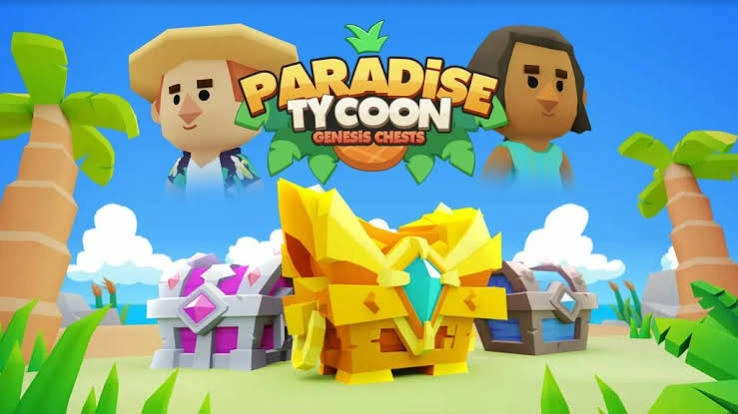
What if building your own tropical island could also introduce you to a player-driven Web3 economy? That is the idea behind Paradise Tycoon MOANI, the native token and game currency of Paradise Tycoon. The project combines sandbox gameplay with resource gathering, farming, crafting, island customization, multiplayer activities, trading, and blockchain-based digital ownership.
Instead of focusing on battles or traditional competitive combat, Paradise Tycoon emphasizes creativity, progression, collaboration, and economic interaction. Players can collect resources, complete quests, participate in events, trade items through the Auction House, and use MOANI for different in-game activities. The official tokenomics documentation states that MOANI has a fixed supply of 6 billion tokens, while its utility spans vendors, trading, participation fees, island transactions, and user-generated content.
For more insights and updates on the latest cryptocurrency trends, be sure to check out our Nifty Finances platform, your gateway to smarter financial decisions in the digital economy.
What Is Paradise Tycoon MOANI?
Paradise Tycoon MOANI is the native token and in-game currency designed to power the player-driven economy of Paradise Tycoon, a multiplayer sandbox adventure that combines traditional gaming mechanics with blockchain-based ownership. Rather than building the game around combat or conventional play-to-earn mechanics, Paradise Tycoon focuses on exploration, resource gathering, farming, crafting, building, customization, trading, and social interaction. Players can develop their own islands and participate in an open-ended virtual world where their activities contribute to a broader economy.
MOANI sits at the center of this economy. According to the project’s official documentation, it serves as both the game’s token and its primary currency, with a fixed total supply of 6 billion tokens. Players can acquire MOANI through activities such as completing quests and Paradise Pass tasks, participating in events and competitions, and selling resources or crafted items through the game’s player-to-player marketplace. The token can then be spent on various elements of gameplay, creating an economic cycle in which players earn and use MOANI as they progress.
MOANI and the Player-Driven Economy
The key idea behind MOANI is that value within Paradise Tycoon can be created by the players themselves. Instead of limiting the game’s economy to transactions controlled entirely by the developer, the project incorporates player-to-player trading and a marketplace where users can exchange resources and items. MOANI can be used at vendors, for marketplace transactions, participation fees, certain purchases, and other activities that contribute to the game’s economy.
Players can use MOANI for activities such as:
- Purchasing resources, seeds, tools, consumables, and customization items.
- Trading resources and items with other players through the Auction House.
- Purchasing certain NFT islands.
- Paying participation fees for player-created events.
- Supporting nano-purchases and other game-related utilities.
This structure makes MOANI more than a simple reward token. Its intended role is to function as an economic medium connecting different parts of the gameplay experience. The project’s token design also uses recurring spending mechanisms, with tokens spent on in-game purchases flowing back into the game’s rewards pool.
MOANI, NFTs, and Digital Ownership
MOANI is also closely connected to Paradise Tycoon’s NFT system. Blockchain integration gives players digital ownership of certain assets, including land, items, and NFT crew members. The project’s documentation describes NFTs as more than simple identifiers, with selected asset attributes and visual elements designed to be stored on blockchain or IPFS and potentially used across other games or experiences.
New players can initially experience Paradise Tycoon without needing to begin with extensive knowledge of crypto. The project describes a gradual onboarding process in which players can start on a free, non-NFT island, progress through gameplay, receive a wallet, earn MOANI, and eventually interact with NFTs as part of their development. This approach is intended to introduce blockchain concepts through gameplay rather than making them the primary focus from the beginning.
A Sandbox Multiplayer Approach
Paradise Tycoon is fundamentally designed as a peaceful, multiplayer sandbox rather than a combat-focused blockchain game. Players can collect resources, farm, construct buildings, improve their islands, complete quests, participate in competitions, collaborate with others, and trade. There is no traditional emphasis on battling, invasions, or warfare. Instead, progression revolves around developing an island, building reputation, interacting with other players, and participating in an evolving virtual economy.
This design is also central to the project’s attempt to reach mainstream gamers. Paradise Tycoon states that its single-token model is intended to simplify onboarding by avoiding unnecessary complexity around multiple currencies and complicated crypto processes. The project aims to integrate wallets, tokens, and NFTs into the gameplay experience without making blockchain knowledge a prerequisite for enjoying the game.
Paradise Tycoon MOANI is designed as the economic layer connecting gameplay, trading, digital ownership, and player-created value. Its role extends beyond simply rewarding players. It is intended to support the game’s marketplace and activities while helping integrate Web3 features into a familiar sandbox gaming environment. Whether this economic model achieves its intended long-term sustainability will depend on player activity, game development, token demand, and the continued balance between spending and rewards.

How Paradise Tycoon Combines Gaming and Web3
Paradise Tycoon approaches Web3 gaming by placing familiar sandbox gameplay at the center of the experience rather than making blockchain technology the main attraction. The project describes itself as a multiplayer sandbox adventure where players create an avatar and develop their own island into a personalized paradise. Instead of following a fixed storyline or focusing on traditional player-versus-player combat, the game is designed around open-ended progression. Players can gather resources, farm, construct buildings, customize their surroundings, complete quests, explore different locations, and interact with other players. The official game overview emphasizes a peaceful multiplayer environment without battling, invasions, or war, allowing players to decide how they want to develop and experience their islands.
Building and Developing a Personal Island
The island is the foundation of the Paradise Tycoon experience. Players can use their land to produce resources, construct buildings, personalize their environment, and eventually host activities for friends and other members of the community. Progression is open-ended, meaning there is no traditional “game over.” Instead, players can continue expanding their island, improving their production capabilities, completing achievements and quests, and building their reputation through social activities, competitions, collaboration, and trading.
Core gameplay activities include:
- Resource collection: Players gather materials needed for crafting, construction, and progression.
- Farming: Growing resources contributes to the island’s production and economy.
- Crafting and construction: Collected resources can be transformed into buildings, upgrades, and items.
- Customization: Players can personalize their islands, homes, characters, and surroundings.
- Quests: Main and side quests introduce objectives, exploration, and rewards.
- Multiplayer interaction: Players can visit islands, collaborate, trade, communicate, and participate in competitions.
This structure gives the game a Web2-style foundation while leaving room for blockchain features to operate behind the scenes.
Blockchain Ownership of In-Game Assets
The Web3 component becomes more visible through digital ownership. Paradise Tycoon uses blockchain technology to represent certain assets as NFTs, including land, items, and NFT crew members. The project’s documentation says these assets can have attributes and visual elements stored on the blockchain or IPFS, with the broader goal of giving players ownership that is less dependent on the developer’s game servers.
This model changes the relationship between players and digital items. Rather than treating every asset solely as an item locked inside a traditional game database, blockchain-based assets can potentially be owned, traded, and used beyond their original context. Paradise Tycoon specifically envisions interoperability in which NFTs and achievements could eventually move between its own games and participating third-party games.
Making Wallets Simpler for Players
One of Paradise Tycoon’s central Web3 goals is reducing the friction normally associated with crypto gaming. The project proposes a gradual onboarding process in which players can begin on a free, non-NFT island and learn the game’s mechanics before being introduced to wallets, tokens, and NFTs. During progression, players create an account through social login, receive a wallet for MOANI and NFTs, earn MOANI through tutorial quests, and can use those tokens toward the gas fee for minting NFT land.
The project also favors a single-token economy. Its documentation argues that multiple currencies, separate wallet setup procedures, and complicated NFT requirements can create unnecessary barriers for mainstream gamers. By using MOANI as the game’s primary token and gradually introducing blockchain functionality, Paradise Tycoon aims to keep the first-time experience closer to conventional gaming.
Toward Interconnected Gaming Experiences
Paradise Tycoon’s Web3 vision extends beyond ownership within one game. The project aims to build an interconnected ecosystem where assets and achievements can potentially have utility across multiple gaming experiences. Its documentation describes plans for Paradise Tycoon NFTs to be usable in future Empires Not Vampires titles and potentially in games developed by other partners.
This interoperability is one of the project’s most significant Web3 concepts. Instead of viewing an NFT as merely a digital receipt for an in-game object, Paradise Tycoon envisions assets that can become part of a broader gaming ecosystem. The long-term objective is therefore to combine the accessibility and familiarity of traditional sandbox gaming with blockchain-enabled ownership, trading, and interoperability while keeping the technology as unobtrusive as possible for players.
How MOANI Powers the Paradise Tycoon Economy
MOANI functions as the central currency within the economic system of Paradise Tycoon, connecting everyday gameplay with the project’s broader Web3 infrastructure. Rather than being designed solely as a speculative digital asset, MOANI is intended to have practical utility throughout the game. Players can earn, spend, and exchange the token as they gather resources, develop their islands, participate in activities, trade with other players, and acquire digital items. This creates an economic loop in which gameplay generates resources and opportunities to use MOANI, while spending helps support the wider in-game economy.
MOANI as the Core Game Currency
The Paradise Tycoon economy is built around MOANI as its primary token. Players can use it for different types of transactions and purchases as they progress through the game. The token is therefore connected to both player progression and the marketplace, giving it a role that extends beyond simply distributing rewards.
Players can encounter several situations where MOANI becomes useful, including purchasing game resources, acquiring items, participating in activities, and interacting with the player-driven economy. This structure is intended to make the token part of normal gameplay rather than something players only encounter when dealing with blockchain features.
Player-to-Player Trading Through the Auction House
One important part of the economy is the Auction House, which provides a marketplace for transactions between players. Instead of relying exclusively on developer-controlled shops, players can offer resources and items to other members of the community. MOANI provides the currency for these transactions, allowing the value of certain resources and crafted goods to be influenced by player demand.
This player-to-player structure can create another layer of progression. A player who specializes in collecting particular resources, farming, or crafting may be able to exchange surplus items with other players for MOANI. Another player might then use those resources to develop an island or create different products. The result is an economy where different gameplay activities can complement one another.
Purchasing Resources and Items From NPC Vendors
MOANI can also be spent directly through NPC vendors. These vendors provide access to various items that players may need during their progression. According to Paradise Tycoon’s documentation, examples include:
- Resources used for gameplay and development
- Seeds for farming
- Tools that support different activities
- Consumables
- Customization items
- Other game-related purchases
These purchases represent an important economic function because they create reasons for players to spend tokens as they interact with the game. Rather than allowing earned currency to accumulate indefinitely, the economy provides practical uses for MOANI throughout the gameplay cycle.
Participation Fees and Other Activities
MOANI can also be used for participation fees connected to certain player-created events and other game activities. This adds another dimension to the token’s utility because spending does not have to be limited to purchasing physical or digital items within the game world.
Player-created events can contribute to Paradise Tycoon’s social and competitive elements, while participation fees can help establish economic incentives around these activities. The token therefore connects gameplay, community interaction, and the game’s marketplace in a single economic framework.
Token Sinks and the Rewards Pool
For an in-game economy to remain functional, earning mechanisms need to be balanced with ways to spend the currency. Paradise Tycoon addresses this through token sinks—activities and purchases that remove MOANI from a player’s available balance when they spend it. The project’s token design describes spending on in-game purchases as part of a cycle that can feed tokens back into the game’s rewards pool.
This approach is intended to create a continuous economic loop: players participate in gameplay to earn MOANI, spend the token on goods and activities, and that spending contributes to the mechanisms supporting future rewards. The effectiveness of this model ultimately depends on player participation, demand for in-game goods, the balance between token issuance and spending, and the continued development of Paradise Tycoon.
MOANI powers Paradise Tycoon’s economy by connecting earning, spending, trading, and participation. Its role across the Auction House, NPC vendors, player activities, and token-sink mechanisms is designed to make the token an integrated part of the game’s sandbox economy rather than a separate feature layered onto the gaming experience.
Paradise Tycoon MOANI sits at the center of an ecosystem that blends sandbox gaming with a player-driven Web3 economy. Rather than making blockchain the entire experience, Paradise Tycoon uses it to support activities such as trading, digital ownership, NFT islands, in-game purchases, events, and economic interactions between players. MOANI is designed to connect these different elements through a single-token model, with a fixed supply of 6 billion tokens.
Imagine a blockchain built for gamers, collectors, and creators — fast, secure, and 100% carbon-neutral. That’s WAX (Worldwide Asset eXchange), home to over 15 million users, 3,000+ transactions per second, and 450M+ NFTs created. From trading digital collectibles to launching dApps and DeFi projects, WAX powers an ecosystem where creativity and blockchain innovation collide.
WAX (Worldwide Asset eXchange) is a blockchain platform designed to facilitate the creation, buying, selling, and trading of digital assets, particularly focusing on non-fungible tokens (NFTs), gaming, and decentralized applications (dApps). The native utility token of the WAX ecosystem is WAXP, which plays a crucial role in various network operations and governance. WAX’s ecosystem and partnerships create a dynamic, interconnected environment for NFTs, gaming, DeFi, and dApps.
The appeal is the combination of creativity and progression. You can build an island, gather resources, craft items, participate in events, trade with other players, and explore the broader Paradise Tycoon world. At the same time, MOANI’s value proposition depends on whether these utilities translate into sustained player activity and demand.
[…] What if building your own tropical island could also introduce you to a player-driven Web3 economy? That is the idea behind Paradise Tycoon MOANI, the native token and game currency of Paradise Tycoon. The project combines sandbox gameplay with resource gathering, farming, crafting, island customization, multipla…. […]