
How Does WalletConnect Work

Table of Contents
WalletConnect is a protocol designed to help cryptocurrency wallets securely connect with decentralized applications (dApps) without directly exposing private keys. The protocol is widely used across decentralized finance (DeFi), NFT marketplaces, blockchain gaming, and other Web3 platforms because it allows users to interact with blockchain applications more conveniently from mobile and desktop devices.
This article is for informational purposes and should not be considered financial advice. Users should always follow safe crypto security practices and carefully review any blockchain application before connecting a wallet or approving transactions.
For more insights and updates on the latest cryptocurrency trends, be sure to check out our Nifty Finances platform, your gateway to smarter financial decisions in the digital economy.
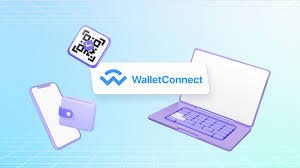
What Is WalletConnect?
WalletConnect is a connection protocol used by crypto wallets and decentralized applications. It acts as a communication bridge that allows wallets to interact with blockchain services securely.
Many decentralized applications support WalletConnect because it works across multiple blockchain networks and wallet providers. Users can connect supported wallets through mobile devices, desktop browsers, or integrated Web3 applications.
How Does WalletConnect Work
WalletConnect works by creating a secure communication session between a cryptocurrency wallet and a decentralized application. Instead of requiring users to manually enter wallet credentials into websites, the protocol allows wallets and dApps to communicate through encrypted connections.
This process helps users maintain control over their wallets while interacting with blockchain-based services such as token swaps, staking platforms, NFT marketplaces, and decentralized exchanges.
Why Wallet Connections Matter
Unlike traditional websites, decentralized applications often require blockchain-based authentication and transaction approvals. To perform these actions, users need a crypto wallet that can communicate with the application.
Wallet connections allow users to:
- Sign blockchain transactions
- Verify wallet ownership
- Interact with smart contracts
- Trade tokens on decentralized exchanges
- Access NFT marketplaces and blockchain games
Without wallet connectivity, many Web3 applications would not function properly.
How WalletConnect Establishes a Connection
The WalletConnect process usually begins when a user selects “WalletConnect” from a dApp’s wallet connection menu. The application then generates either a QR code or a secure connection request link.
The user opens their crypto wallet and scans the QR code or approves the session request. Once confirmed, the wallet and decentralized application establish a secure pairing session.
This pairing allows the wallet and dApp to exchange information necessary for blockchain interactions while keeping the user in control of transaction approvals.
Encrypted Communication
WalletConnect uses encrypted communication sessions between wallets and decentralized applications. Encryption helps reduce the risk of unauthorized interception during the connection process.
Rather than sending sensitive wallet credentials directly to the application, WalletConnect transmits approval requests and transaction data through secure communication channels. This design helps separate wallet security from the dApp itself.
However, encryption alone does not eliminate all risks. Users still need to verify websites and review transactions carefully before approval.
Does WalletConnect Store Private Keys?
WalletConnect generally does not store users’ private keys. Instead, private keys remain stored securely within the crypto wallet application itself.
This is an important distinction because WalletConnect mainly serves as a communication protocol rather than a custodial service. The wallet remains responsible for transaction signing and security management.
As a result, users still maintain direct control over their blockchain assets and transaction approvals.
Where WalletConnect Is Used
WalletConnect is commonly used across many blockchain applications, including:
- Decentralized exchanges (DEXs)
- NFT marketplaces
- Staking platforms
- Blockchain games
- DeFi lending applications
- Governance and voting platforms
Its flexibility and broad compatibility have contributed to widespread adoption throughout the Web3 ecosystem.
Wallet Approval and Transaction Signing
One of the key features of WalletConnect is that users manually approve actions within their wallet application. Even after connecting to a decentralized application, no transaction is completed automatically.
When a dApp requests a blockchain action, the wallet displays transaction details such as:
- Token amounts
- Destination addresses
- Network fees
- Smart contract permissions
The user must review and approve the request before the transaction is signed and submitted to the blockchain.
Supported Wallets and Platforms
WalletConnect supports a wide range of cryptocurrency wallets and blockchain platforms. Popular compatible wallets include Trust Wallet and MetaMask.
The protocol is also integrated into many Ethereum-compatible applications and multi-chain Web3 platforms.
How to Use WalletConnect Safely
Users can improve security by following several best practices:
- Verify URLs before connecting wallets
- Avoid suspicious links and unofficial dApps
- Review wallet permissions carefully
- Disconnect inactive sessions regularly
- Keep wallet applications updated
Users should also avoid approving transactions they do not fully understand.
Benefits of WalletConnect
Many users choose WalletConnect because it offers:
- Convenient wallet-to-dApp connectivity
- Mobile-friendly functionality
- Compatibility across multiple platforms
- Encrypted communication sessions
- Broad integration throughout the Web3 ecosystem
These features make it easier for users to interact with decentralized applications while maintaining wallet-based transaction control.
WalletConnect helps users securely connect cryptocurrency wallets with decentralized applications through encrypted communication sessions and wallet-based transaction approvals. By keeping private keys stored within the wallet itself, the protocol supports user control while enabling interaction with DeFi platforms, NFT marketplaces, blockchain games, and other Web3 services.
Although WalletConnect is widely used within the crypto ecosystem, user security still depends heavily on safe browsing habits, verifying decentralized applications carefully, and reviewing transaction approvals before signing them.
[…] is a protocol that allows users to securely connect cryptocurrency wallets to decentralized applications (dApps). Trust Wallet is a mobile crypto wallet commonly used for storing cryptocurrencies, NFTs, […]
[…] is a protocol designed to help cryptocurrency wallets securely connect with decentralized applications (dApps) without directly exposing private keys. Many crypto users […]