Coinye West (COINYE): The Return of Meme Coin Narrative

Table of Contents

What happens when internet satire collides with crypto rebellion? You get Coinye West (COINYE)—one of the most infamous and legendary meme coins in cryptocurrency history. Originally inspired by pop culture humor and internet memes, Coinye has evolved from a controversial 2014 project into a revived, community-driven token operating in today’s Web3 landscape.
Unlike typical meme coins created for quick hype, COINYE carries a unique legacy. It represents early crypto meme culture, legal battles, and the resilience of internet-driven communities. Now relaunched on modern blockchain infrastructure, Coinye West embraces transparency, fair distribution, and decentralized ownership through platforms like Base.
In a market flooded with short-lived meme tokens, Coinye stands out as both a cultural artifact and an active experiment in meme-powered finance. This guide breaks down what Coinye West is, how it works, its ecosystem, tokenomics, and why it continues to attract attention in the evolving crypto meme economy.
For more insights and updates on the latest cryptocurrency trends, visit our Nifty Finances platform, your gateway to smarter financial decisions in the digital economy
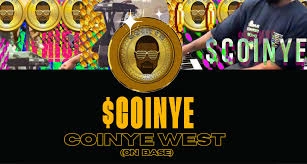
What Is Coinye West (COINYE)?
Coinye West (COINYE) is a meme-based cryptocurrency inspired by early internet culture, satire, and pop-culture parody, originally linked to one of the earliest viral crypto experiments in history. Today, it exists as a revived community-driven token that continues the legacy of one of the most controversial and recognizable early meme coins in the crypto space. Built around humor, nostalgia, and decentralization, Coinye West positions itself as a symbolic “OG meme coin” that reflects the origins of internet-driven digital assets.
At its core, Coinye West is not just another modern meme token—it is deeply tied to the early evolution of cryptocurrency culture, where experimentation, humor, and internet satire played a major role in shaping community interest. Originally launched in 2014, Coinye was among the earliest meme-inspired cryptocurrencies, arriving at a time when the crypto ecosystem was still in its infancy and far less structured than it is today.
A Meme Coin Rooted in Internet Satire and Pop Culture
Coinye West was created as a parody-inspired digital currency, drawing from internet humor and celebrity culture satire. Its branding and concept reflected the early internet’s tendency to remix pop culture into memes, transforming recognizable figures and ideas into viral online expressions.
- A product of early internet meme experimentation
- A satire-driven crypto concept rooted in humor
- A symbolic representation of the internet culture’s influence on finance
Unlike modern meme coins that often rely on structured marketing strategies, Coinye emerged during a time when crypto projects were far more experimental and community-driven in nature.
One of the Earliest Meme Cryptocurrencies in History
Coinye West holds historical significance as one of the earliest meme cryptocurrencies ever created, launched shortly after the emergence of Bitcoin alternatives. It is often referenced alongside early meme coins as part of the foundational era of crypto culture.
- Launched in 2014 as an early meme coin experiment
- Developed during the formative years of cryptocurrency adoption
- Recognized as part of the first wave of internet-native digital assets
This early origin contributes to its reputation as an “OG” meme coin within crypto history, representing the experimental phase of blockchain-based humor and community coins.
Revival as a Community-Driven Token
In its modern form, Coinye West has been revived as a community-driven token on newer blockchain networks, reintroducing the concept to a new generation of crypto users. This revival is not tied to its original development team but instead reflects a decentralized community effort to bring back one of crypto’s earliest meme identities.
- Community ownership and participation
- Decentralized token distribution models
- Continued evolution of its meme identity
This transition from early experiment to modern revival highlights how meme coins can persist and evolve through community culture even after long periods of inactivity.
Built Around Decentralization and Internet Humor
Coinye West continues to emphasize decentralization, humor, and internet culture as its core identity. It does not attempt to position itself as a traditional utility-focused blockchain project. Instead, it thrives on narrative, nostalgia, and its place in meme coin history.
- A focus on community engagement rather than centralized control
- Cultural relevance rooted in internet satire
- A lightweight, meme-driven approach to crypto participation
Positioned as an OG Meme Coin in Crypto History
Coinye West is often positioned as an “OG meme coin” within the broader narrative of cryptocurrency evolution. Its significance lies less in technical innovation and more in its historical role as one of the earliest experiments in merging internet memes with blockchain technology.
Coinye West represents a legacy meme coin that blends early internet satire, crypto history, and modern community revival, standing as a cultural artifact from the earliest days of meme-driven digital assets while continuing its presence in today’s decentralized ecosystem.

The History and Origin of Coinye
Coinye (later known as Coinye West in its original form) emerged during the early era of cryptocurrency experimentation following Bitcoin’s rise, when developers were actively exploring how blockchain technology could be used beyond simple peer-to-peer payments. This period was characterized by rapid innovation, loose experimentation, and a lack of clear regulatory boundaries, which created space for unconventional and highly experimental projects like Coinye to appear.
At the time, the crypto ecosystem was still in its formative stages. Bitcoin had introduced the concept of decentralized digital money, but most alternative projects were still trying to define what blockchain technology could become. Within this environment, Coinye stood out as one of the earliest attempts to merge internet meme culture with cryptocurrency mechanics, making it part of the foundational wave of “meme coins” before the term became widely recognized.
Early Experimentation and Viral Attention
Coinye quickly gained attention due to its viral and controversial branding, which drew heavily from pop culture satire and internet humor. Unlike traditional financial projects, it did not attempt to present itself as a serious or institutionally aligned cryptocurrency. Instead, it leaned into humor, parody, and cultural references that resonated strongly with early internet communities.
This approach helped Coinye spread rapidly across online forums and social media platforms, where it was discussed as both a novelty and an experiment in how far cryptocurrency branding could go. Its visibility was driven less by utility and more by its ability to capture attention in a rapidly growing and highly speculative digital landscape.
Legal Pressure and Early Shutdown
Despite its early popularity, Coinye’s trajectory was significantly impacted by legal pressure that led to the shutdown of its original project. Concerns were raised regarding its branding and association with public figures, resulting in legal challenges that ultimately forced the original developers to discontinue active development.
This marked a turning point in Coinye’s early history. While many emerging crypto projects of that era faded due to a lack of funding or interest, Coinye became notable for being one of the few early meme-inspired cryptocurrencies to face direct external legal intervention. As a result, its development stalled, and the original version of the project was effectively abandoned.
A Symbol of Early Meme Coin Experimentation
Despite its short-lived initial existence, Coinye became recognized as a symbol of early meme coin experimentation in crypto history. It represented a phase where developers were testing the cultural and social boundaries of blockchain projects, often blending humor, satire, and financial experimentation in ways that were unprecedented at the time.
- Early meme-driven cryptocurrency development
- The intersection of internet culture and blockchain technology
- The experimental and unregulated nature of early crypto ecosystems
This historical role gives Coinye a unique place in the evolution of digital assets, particularly within the meme coin category.
Revival by Community Supporters on Modern Chains
Years after its original shutdown, Coinye experienced a community-driven revival on newer blockchain networks, reflecting the persistence of meme culture within crypto communities. This revival was not a continuation of the original development team but rather a grassroots effort by supporters who sought to preserve its identity and historical significance.
- Community ownership and decentralized participation
- Continuation of its meme-based cultural identity
- Adaptation to modern blockchain infrastructure
This transition highlights how crypto communities can resurrect and reimagine early projects, even after their original versions have ended.
A Lasting Legacy in Meme Coin History
Coinye’s history reflects the experimental roots of early cryptocurrency culture, its rapid rise through viral attention, its legal challenges, and its eventual transformation into a community-revived token. While its original form was short-lived, its legacy continues as part of the broader narrative of how meme coins and internet culture became deeply intertwined within the evolution of blockchain technology.

How Coinye Works on Blockchain
Coinye operates as a meme-based cryptocurrency built on modern blockchain infrastructure, particularly within the Base ecosystem, allowing it to function as a decentralized digital asset accessible to a global community. While its origins trace back to the early experimental phase of crypto, its current implementation is aligned with contemporary blockchain standards that prioritize transparency, accessibility, and community-driven participation.
At its core, Coinye functions as a tradable token within decentralized finance (DeFi) environments, meaning users can interact with it directly through blockchain networks without relying on centralized intermediaries. This structure reflects the broader evolution of meme coins, where cultural relevance and community engagement are combined with decentralized trading infrastructure.
Built on Modern Blockchain Infrastructure
Coinye exists on modern Layer 2 blockchain infrastructure such as the Base ecosystem, which is designed to support scalable, low-cost, and efficient transactions. This allows the token to operate in an environment where users can trade and transfer assets with minimal friction.
- Low transaction fees compared to older networks
- Faster settlement times for trades and transfers
- Compatibility with decentralized applications and wallets
By leveraging this modern architecture, Coinye transitions from its early experimental origins into a more functional and accessible digital asset.
Tradable on Decentralized Exchanges
One of the primary ways Coinye works is through decentralized exchanges (DEXs), where users can freely buy, sell, and trade the token. These platforms operate using smart contracts rather than centralized order books, ensuring that transactions are executed transparently and without intermediaries.
- Permissionless access to the token for any user with a wallet
- Direct peer-to-peer market participation
- Real-time price discovery driven by supply and demand
Because it is available on decentralized platforms, Coinye remains open and globally accessible, consistent with the principles of Web3.
Liquidity Driven by Community Participation
Coinye’s liquidity is largely shaped by community participation rather than centralized market makers or institutional investors. Users contribute to liquidity pools, trade actively, and engage with the token ecosystem, helping sustain market activity.
- Dynamic trading activity based on user engagement
- Reduced reliance on centralized liquidity providers
- A market structure influenced by social momentum and participation
As with many meme coins, the strength of Coinye’s liquidity is closely tied to how active and engaged its community remains over time.
Transparent Supply and On-Chain Tracking
A key feature of Coinye’s blockchain operation is transparency in token supply and transaction tracking. Like most blockchain-based assets, all movements of Coinye tokens are recorded on-chain, allowing anyone to verify transactions and monitor supply distribution.
- Public visibility of token transfers and holdings
- Verifiable supply mechanics without hidden issuance
- Trustless verification of ecosystem activity
By operating fully on-chain, Coinye aligns with the decentralized ethos of blockchain technology, where transparency is built into the system by design.
Decentralized Access Without Intermediaries
Coinye is designed to be fully accessible without centralized control or intermediaries, meaning users do not need permission from any governing entity to participate in the ecosystem. Wallet-based access ensures that anyone can hold, trade, or interact with the token directly.
- Full user custody of assets
- Global accessibility without restrictions
- Elimination of centralized gatekeeping in trading and ownership
This decentralized access model reinforces Coinye’s identity as a community-driven meme token rather than a controlled financial product.
A Community-Driven Meme Asset on Modern Chains
Coinye operates on blockchain through a combination of modern Layer 2 infrastructure, decentralized exchange trading, community-driven liquidity, and transparent on-chain mechanics. While rooted in early meme coin history, its current functionality reflects a fully decentralized and accessible digital asset model, shaped primarily by its community and the broader dynamics of the Web3 ecosystem.
The vision behind Coinye West is centered on preserving early internet meme culture in a permanent, blockchain-based form while evolving it into a community-driven digital asset. Unlike traditional cryptocurrencies that focus primarily on financial utility or technical innovation, Coinye places its identity within the cultural layer of the internet, where humor, satire, and viral expression play a central role in how communities form and interact online. Its long-term vision is not only to exist as a token but to serve as a living archive of early meme culture within the blockchain ecosystem.
Coinye aims to bridge the gap between internet history and decentralized technology, ensuring that one of the earliest meme-inspired crypto experiments continues to exist in a modernized form. This involves transforming its legacy into a sustainable ecosystem that reflects the evolution of both blockchain technology and online culture.
Coinye West (COINYE) is more than just another meme token—it’s a piece of crypto history reborn for a new generation. From its controversial beginnings to its revival in today’s decentralized ecosystems, Coinye represents the evolution of meme culture within blockchain technology. While it doesn’t compete with utility-heavy crypto projects, its strength lies in narrative, community, and cultural identity. That combination has kept it relevant even after years of market cycles and changing trends.
Crypto and meme culture go hand‑in‑hand, and few tokens capture that playful spirit like Russell RUSSELL — a community‑driven meme coin rooted in one of the most beloved narratives in the space! Born from internet buzz around the Akita Inu dog of Coinbase CEO Brian Armstrong, Russell quickly became a Base blockchain favorite that thrives on its social DNA and cultural appeal rather than utility. Meme coins have a unique allure: they aren’t about whitepapers or complex DeFi mechanics — they’re about community, culture, and storytelling.
Russell embodies that perfectly, carving out his identity as “The Goodest Boy on Base” and resonating with memecoin enthusiasts everywhere. It embodies the spirit of fun and accessibility in crypto while fostering connections among enthusiasts within the Base ecosystem.
All meme coins, COINYE, remain highly speculative. Its value is driven largely by community sentiment, making it both exciting and risky for traders. In crypto, culture can be just as powerful as technology. If you’re exploring meme coins with history and personality, Coinye West is a name that continues to stand out—but always approach with careful research and risk awareness.
[…] Russell (RUSSELL) is a community-driven meme token built on the Base blockchain, designed to capture the energy, humor, and engagement of the growing Web3 community. Unlike conventional cryptocurrencies that focus primarily on utility, governance, or DeFi functionality, Russell thrives on cultural resonance, storytelling, and the collective enthusiasm of its community. It embodies the spirit of fun and accessibility in crypto while fostering connections among enthusiasts within the Base ecosystem. […]