
Chainbounty BOUNTY: Decentralized Crime Bounty Security Hub

Table of Contents

In a world where digital assets are constantly under siege from hacks, scams, and cybercrime, Chainbounty BOUNTY emerges as a bold, community‑driven answer to security challenges in the crypto space! Chainbounty is a decentralized crime bounty platform that empowers individuals and white‑hat hunters to report, investigate, and help resolve blockchain fraud and security incidents — all while earning rewards through its native BOUNTY token.
Unlike traditional, opaque security responses, Chainbounty’s model blends collective intelligence, transparency, and blockchain immutability to create a living ecosystem where everyone can contribute to safer digital finance. The platform manages everything from incident reporting to reward distribution with fairness and clarity.
Whether you’re a security pro, crypto enthusiast, or token holder, this article will help you understand Chainbounty’s mission, tech, ecosystem, token utility, and real‑world impact!
For more insights and updates on the latest cryptocurrency trends, be sure to check out our Nifty Finances platform, your gateway to smarter financial decisions in the digital economy.

What Is ChainBounty? A Decentralized Crime Bounty Platform
ChainBounty is a Web3‑based decentralized crime bounty platform designed to tackle cybersecurity threats within the cryptocurrency ecosystem by leveraging community reporting, analysis, and shared intelligence. Rather than depending on centralized authorities or private security firms alone, ChainBounty puts the power of threat detection and resolution into the hands of a global user base, offering transparent rewards for valid contributions that help identify, investigate, and mitigate crypto crimes such as frauds, scams, wallet hacks, and phishing attacks.
At its core, ChainBounty combines blockchain transparency with collective expertise to create a system where anyone—from everyday participants to cybersecurity professionals—can contribute actionable insights to improve digital asset safety. This model reflects a growing belief in the crypto community that security should be democratized, making malicious behavior more costly and harder to hide.
A Decentralized System for Reporting and Analyzing Crypto Crime
ChainBounty functions as an open platform where users can report suspicious incidents, share threat intelligence, and participate in incident validation. Reports might include evidence of fraud, compromised wallets, phishing attempts, malware threats, or other malicious activity affecting blockchain users and projects. These reports are then reviewed and validated through a transparent process managed by community validators, helping to ensure that only accurate and useful information is rewarded.
What sets ChainBounty apart from traditional cybersecurity forums or centralized reporting systems is its decentralized architecture. Because the platform operates on Web3 principles, every report, reward, and contribution is recorded on‑chain or tied to verifiable blockchain processes, reducing reliance on a central authority and increasing resistance to censorship or data tampering. This ensures that the history of incidents and responses is transparent, auditable, and accessible to the wider community.
By crowd‑sourcing threat reporting, ChainBounty harnesses the collective intelligence of its community to surface patterns and threats that might be overlooked by isolated investigators. Skilled researchers, white‑hat hackers, developers, and everyday users can submit reports, assist in investigations, and earn rewards when their contributions help validate or resolve a case.
Mission: Creating a Secure and Trustworthy Crypto Environment
The central mission of ChainBounty is to foster a safer, more trustworthy digital asset ecosystem by transforming how cybercrime is discovered, reported, and addressed. Instead of leaving victims alone to navigate losses or rely solely on law enforcement, the platform encourages proactive engagement from the global Web3 community.
ChainBounty’s approach aims to reduce information blind spots in security and enhance overall ecosystem resilience through shared data and collective action. This is built on several key pillars:
- Transparency, where all data and progress are openly shared to prevent hidden threats.
- Community‑driven collaboration, leveraging diverse expertise and perspectives.
- Fair incentive mechanisms, rewarding contributors based on verified impact.
By encouraging widespread participation, ChainBounty seeks to shift the balance in favor of defenders rather than attackers. Its ecosystem strives to make it easier to surface threats early, analyze them effectively, and discourage future crimes by increasing the likelihood of detection and accountability.
Crowd‑Sourced Threat Reporting With Transparent Rewards
A defining feature of ChainBounty is its reward system, which incentivizes users to report legitimate security issues and contribute to investigations. Users earn points or tokens for validated contributions, creating a transparent, merit‑based incentive structure that encourages quality input rather than volume or guesswork.
This crowd‑sourced model makes cybersecurity a collaborative pursuit. As participants accumulate rewards through reporting, validation, and analysis, they help build a repository of verified intelligence that benefits the entire ecosystem. Over time, these contributions can feed into broader educational resources, threat databases, and protective tools usable by developers, projects, and everyday crypto users alike.
ChainBounty positions itself as a decentralized alternative to conventional cybercrime reporting systems—one that bridges gaps between victims, investigators, and the broader crypto community. By fostering shared responsibility, transparent rewards, and collective analysis of threats, the platform aims to raise the bar for security and trust across the digital asset landscape.
How ChainBounty Works: Process & Workflow
ChainBounty operates as a decentralized, community-driven platform for reporting and resolving crypto-related crimes. Its workflow is designed to combine user submissions, collaborative investigation, and transparent reward mechanisms, ensuring that the ecosystem remains effective, trustworthy, and secure. By leveraging blockchain transparency and crowd-sourced intelligence, ChainBounty empowers participants to play an active role in maintaining the integrity of the cryptocurrency ecosystem.
Incident Reporting: Submitting Crypto Crime Cases
The first step in the ChainBounty workflow is incident reporting. Users who detect suspicious activity—such as scams, phishing attempts, wallet hacks, rug pulls, or fraudulent token projects—can submit detailed reports through the platform. Each report includes:
- Description of the incident: Clear explanation of what occurred, including transaction hashes, project names, or affected wallets
- Supporting evidence: Screenshots, blockchain data, smart contract addresses, or links to related media
- Reporter information: Optionally verified profiles to ensure accountability and credibility
By providing a structured submission interface, ChainBounty ensures that reports contain sufficient detail for effective validation. This process democratizes threat detection, allowing anyone in the crypto community—from casual users to security experts—to contribute to the ecosystem’s safety.
Investigation & Validation: Community and Forensic Tools
Once an incident is submitted, it enters the investigation and validation stage, where the platform leverages both community expertise and specialized forensic tools. Community members, including white-hat hackers, researchers, and experienced crypto users, review submissions to assess legitimacy and impact.
Key aspects of the validation process include:
- Collaborative analysis: Multiple participants evaluate the report to confirm accuracy and detect potential false positives
- Blockchain verification: Smart contracts, transaction histories, and other on-chain data are examined for proof of wrongdoing
- Threat categorization: Reports are classified based on type, severity, and affected parties, which helps prioritize resolution and reward allocation
This stage ensures that only accurate, actionable reports are rewarded and prevents gaming of the system by malicious or inaccurate submissions. The transparent verification process is a cornerstone of the platform’s decentralized security model.
Reward Distribution: Earning BOUNTY Tokens
Validated contributions are incentivized through BOUNTY tokens, ChainBounty’s native reward mechanism. Once an incident is confirmed, users who submitted reports or assisted in investigations receive token rewards proportional to their contribution.
The reward distribution system emphasizes:
- Transparency: All rewards and validation steps are recorded on-chain
- Merit-based allocation: Higher quality or more impactful contributions earn greater rewards
- Immediate accountability: Users can verify that rewards were correctly assigned
This incentive structure encourages continuous engagement, motivates accurate reporting, and reinforces the platform’s goal of crowd-sourced, high-quality threat intelligence.
DAO & Governance: Future Community Decision-Making
ChainBounty plans to integrate a decentralized autonomous organization (DAO) to give the community formal governance over platform policies, reward rules, and strategic direction. Through DAO participation, token holders will have the ability to:
- Vote on incident validation criteria and reward structures
- Approve new security features, partnerships, or forensic tools
- Shape the long-term development of the ChainBounty ecosystem
This governance model aligns incentives between contributors and the platform, ensuring that the community drives decision-making while maintaining transparency, decentralization, and accountability.
ChainBounty’s workflow—spanning incident reporting, investigation, reward distribution, and future DAO governance—creates a robust, community-driven security ecosystem. By combining crowd-sourced intelligence, blockchain transparency, and incentivized participation, ChainBounty empowers users to collaboratively detect, verify, and respond to crypto crimes, building a safer digital asset environment.
BOUNTY Token Utility & Incentives
At the core of ChainBounty’s ecosystem is the BOUNTY token, which serves as both a reward mechanism and a governance instrument. Designed to incentivize active participation, accurate reporting, and community collaboration, BOUNTY aligns the interests of users with the platform’s overarching mission: creating a secure, transparent, and trustworthy crypto environment. By combining economic incentives with decentralized governance potential, BOUNTY encourages users to remain vigilant against scams, hacks, and fraudulent activity in the cryptocurrency ecosystem.
Reward Mechanism: Earning BOUNTY
The primary function of the BOUNTY token is to reward contributors for validated incident reporting and participation in investigations. Users submit detailed reports on crypto crime incidents, which are then reviewed and validated by the ChainBounty community using on-chain verification tools. Once a report is confirmed as legitimate, the contributors—both the reporter and those assisting with verification—receive BOUNTY tokens as compensation.
Key aspects of the reward mechanism include:
- Merit-based allocation: Higher-quality submissions or those contributing substantial evidence earn proportionally higher rewards.
- Transparent distribution: All rewards are tracked on-chain, allowing participants to verify that compensation is fairly allocated.
- Multi-role participation: Users can earn tokens by reporting, validating, or providing supporting analytics, not solely by submitting initial reports.
This structured approach ensures that participants are consistently motivated to provide accurate, actionable intelligence rather than submitting low-effort or inaccurate reports.
Governance Role: Community Decision-Making
Beyond serving as a reward, BOUNTY is intended to play a future governance role within the ChainBounty ecosystem. Token holders are expected to participate in decisions regarding platform policies, reward structures, and validation criteria once DAO integration is fully implemented.
Planned governance capabilities include:
- Voting on incident validation rules and the criteria for token allocation
- Approving new features, partnerships, and forensic tools
- Shaping long-term development and strategic direction of the platform
By giving users a voice in governance, BOUNTY not only incentivizes active reporting but also aligns token holders’ interests with the security and sustainability of the ecosystem.
Incentive Alignment: Encouraging Vigilance
The design of the BOUNTY token aligns incentives with the platform’s core mission of maintaining a safe and trustworthy crypto environment. By rewarding active participation and accurate reporting, BOUNTY encourages users to:
- Monitor the cryptocurrency landscape for scams, hacks, and phishing attempts
- Contribute evidence and analysis to community investigations
- Engage continuously with the platform to improve threat detection
This alignment fosters a proactive and engaged community, turning cybersecurity and fraud prevention into a collaborative, reward-driven activity.
Market Data & Value Trends
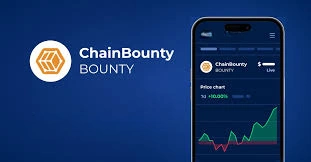
BOUNTY’s value is tracked on major crypto data platforms, enabling holders to monitor price movements, liquidity, and trading trends. The token’s market performance provides additional transparency and a metric of ecosystem activity, reflecting community engagement and demand for the platform’s services. Users can view BOUNTY trading data, historical price charts, and exchange listings to make informed decisions regarding token usage, staking, or participation in governance once DAO features are live.
The BOUNTY token underpins ChainBounty’s decentralized security ecosystem by rewarding verified reporting, enabling governance participation, and aligning incentives with proactive community vigilance. Through its structured utility and transparent market tracking, BOUNTY ensures that users are both motivated and empowered to contribute to a safer crypto environment.
Security & Transparency Features
ChainBounty is designed to provide a secure, transparent, and trustworthy platform for reporting and analyzing crypto crimes. Its architecture leverages blockchain technology to ensure immutability, traceability, and fairness, while fostering a collaborative environment where the community can contribute to investigations, audits, and even law enforcement reporting. By integrating these security and transparency features, ChainBounty builds confidence for both users and the broader crypto ecosystem.
Blockchain Immutability: Transparent Incident Records
A core feature of ChainBounty is blockchain immutability, which guarantees that all incident reports, investigations, and reward distributions are permanently recorded on-chain. This ensures that once a report is submitted, its details cannot be altered or deleted, protecting the integrity of the information and preventing manipulation by bad actors.
Key benefits of this immutable structure include:
- Permanent audit trails: Every report and contribution is timestamped and verifiable.
- Prevention of data tampering: Historical data remains trustworthy, even as new reports are submitted.
- Enhanced accountability: Users can verify that contributions are recognized and rewarded appropriately.
By leveraging immutable blockchain records, ChainBounty strengthens the credibility and reliability of its incident database, making it a valuable reference for future investigations or forensic analysis.
Fairness & Trust: Clear Reward Rules
ChainBounty maintains a transparent and fair reward system that incentivizes accurate reporting and meaningful contributions. Users earn BOUNTY tokens based on validated reports, investigation assistance, and evidence submission. The platform’s rules for reward allocation are clearly defined and publicly accessible, ensuring participants understand how their contributions are evaluated and compensated.
Transparency in reward distribution fosters trust within the community by:
- Preventing favoritism or manipulation in token allocation
- Encouraging higher-quality submissions, as users are motivated by merit-based rewards
- Supporting active engagement, since participants see tangible results for their efforts
This clarity helps maintain a collaborative, reliable reporting environment where the quality of information is valued over quantity.
On-Chain Traceability: Enabling Verifiable Forensic Work
Another security cornerstone is on-chain traceability. Every transaction, report submission, and reward assignment is linked to blockchain addresses, providing verifiable records that forensic experts and investigators can rely on.
Traceability enables:
- Cross-checking of suspicious activity using transaction histories
- Validation of contributor credibility and their role in investigations
- Creation of a permanent knowledge base, where patterns and trends in crypto crime can be studied over time
By maintaining this transparent ledger, ChainBounty supports data-driven decision-making and provides a foundation for more advanced threat detection models.
Blockchain Forensics: Community Contributions Supporting Law Enforcement
ChainBounty’s ecosystem is designed not only for decentralized community benefit but also to assist law enforcement and regulatory efforts. Verified reports and investigative findings can be shared with relevant authorities to support fraud or scam investigations. The combination of community contributions, on-chain evidence, and immutable reporting enhances the credibility and utility of these submissions.
Community members can:
- Compile evidence for incidents that impact multiple users or projects
- Use the platform’s blockchain-backed records to substantiate claims
- Collaborate with investigators to provide clear, auditable trails
This collective approach strengthens the overall crypto ecosystem by reducing fraud, increasing accountability, and facilitating legal enforcement in a structured, transparent manner.
ChainBounty’s security and transparency features—including blockchain immutability, fair reward rules, on-chain traceability, and support for forensic investigations—create a trusted, community-driven environment for detecting, analyzing, and mitigating crypto crimes. By combining technological rigor with collective participation, the platform reinforces confidence, accountability, and safety across the decentralized finance landscape.
Chainbounty BOUNTY represents a new frontier in crypto security, harnessing decentralized participation and blockchain transparency to combat fraud, hacks, and scams in the digital asset ecosystem. By turning threat reporting and investigation into a collaborative, rewarded experience, the platform gives power back to the community — allowing users to not only detect wrongdoing but earn real value for their contributions through the BOUNTY token.
This model helps bridge the gap between traditional security responses and the rapidly evolving world of Web3 cybercrime. With a roadmap that includes AI threat tools, DAO governance, and global expansion, Chainbounty is striving to make digital finance safer for everyone.
In an era where cyberthreats evolve at breakneck speed, one blockchain-powered network is taking up the challenge head-on. PolySwarm (NCT) isn’t just another crypto token — it’s the heartbeat of a decentralised, community-driven marketplace for malware detection and threat intelligence. On the platform, security analysts compete to identify malicious files, get rewarded in NCT, and contribute to global cybersecurity. With more than 1.8 billion tokens already in circulation, the NCT utility spans staking, marketplace usage, and incentivising participation.
Whether you’re a crypto user, investigator, or blockchain enthusiast, Chainbounty’s blend of security, community, and incentives creates an engaging and purposeful ecosystem worth exploring!
[…] an era where cyberthreats evolve at breakneck speed, one blockchain-powered network is taking up the challenge head-on. […]