
How to Mine Nockchain

Table of Contents
Nockchain is a blockchain project, and some readers are interested in understanding how mining might work on its network. Cryptocurrency mining can sound complex, especially for beginners, but the basic ideas are approachable with a bit of background. This article is for informational purposes only and not financial advice. Always Do Your Own Research (DYOR) before participating in any mining or blockchain-related activity.
For more insights and updates on the latest cryptocurrency trends, be sure to check out our Nifty Finances platform, your gateway to smarter financial decisions in the digital economy.
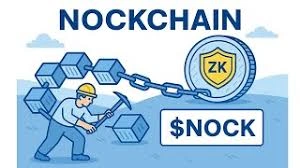
What Is Nockchain?
Nockchain is described as a blockchain-focused project that may support decentralized applications, digital assets, or other distributed services. Like many blockchain platforms, it likely aims to provide transparency, security, and reduced reliance on centralized control.
In ecosystems that rely on mining, participants contribute computing resources to validate activity on the network. This shared responsibility helps maintain trust in a decentralized environment.
How Blockchain Mining Works
In blockchains that use mining, transactions are grouped together into blocks. Miners compete to solve a cryptographic puzzle that allows a new block to be added to the chain.
This process serves two key purposes:
- Transaction validation: Ensuring that transactions follow network rules and are not duplicated
- Network security: Making it difficult for any single party to control the blockchain
The first miner to solve the puzzle earns the right to add the block and receive a reward, depending on the network’s design.
How to Mine Nockchain
Mining is a process used by some blockchains to validate transactions and secure the network. Instead of relying on a central authority, mining allows distributed participants to help maintain the system.
At a high level, mining involves:
- Using computing power to solve mathematical problems
- Confirming groups of transactions known as blocks
- Adding those blocks to the blockchain
If Nockchain uses a mining-based consensus system, miners may help keep the network running while potentially earning rewards defined by the protocol.
Mining Hardware Requirements
Mining requires specialized hardware that can perform large numbers of calculations quickly. The exact requirements depend on the network’s algorithm.
Common types of mining hardware include:
- CPUs (Central Processing Units): General-purpose processors, usually less efficient for modern mining
- GPUs (Graphics Processing Units): Popular for many networks due to their parallel processing ability
- ASICs (Application-Specific Integrated Circuits): Custom-built devices designed for specific mining algorithms
The choice of hardware affects performance, energy use, and upfront cost.
Mining Software and Setup
In addition to hardware, miners need software that connects their device to the blockchain network. This software handles communication, task assignment, and performance tracking.
Basic setup usually involves:
- Downloading compatible mining software
- Entering wallet information to receive potential rewards
- Connecting to a node or mining pool server
- Adjusting performance settings based on hardware capabilities
Configuration steps vary by network and software, so following the official documentation is important.
Solo Mining vs Pool Mining
Miners can choose to work independently or join a mining pool.
Solo mining means working alone and keeping the entire reward if a block is successfully mined. However, rewards can be rare and unpredictable for smaller miners.
Pool mining involves combining resources with others. Key differences include:
- More frequent but smaller payouts in pools
- Shared rewards among participants
- Reduced variance compared to solo mining
The choice depends on a miner’s hardware, goals, and tolerance for uncertainty.
Energy Use and Operating Costs
Mining can consume significant amounts of electricity, especially with high-performance hardware. Ongoing costs may include:
- Electricity for running equipment continuously
- Cooling systems to manage heat
- Hardware maintenance or replacement over time
Understanding these operational factors is essential before starting any mining activity.
Mining Rewards and Network Difficulty
Mining rewards typically come from two sources:
- Newly created coins or tokens
- Transaction fees are included in blocks
Most networks also adjust mining difficulty over time. As more miners join and computing power increases, the network raises the difficulty to keep block times stable. This can make earning rewards more competitive.
Mining is a technical process that helps validate transactions and secure blockchain networks. If Nockchain uses mining, participants would contribute computing resources in exchange for protocol-defined rewards. However, mining involves hardware costs, energy use, and technical setup. Anyone considering participation should carefully research the network, understand the risks and requirements, and make informed decisions before getting involved.
[…] Each model balances risk and reward differently for both the pool operator and miners. […]
[…] the broader crypto ecosystem, tokens typically serve specific functions within their networks. Understanding what a token is used for can help users better understand how […]