
My Neighbor Alice: ALICE Token & Blockchain Gameplay

Table of Contents
Imagine stepping into a vibrant multiplayer universe where you design your own island, craft unique items, trade with others, and get rewarded in crypto for your in-game adventures! That’s the world of My Neighbor Alice, a builder-style blockchain game that blends immersive gameplay with real ownership of virtual assets. According to the official site, players can “create, connect, and call your own” the lands and items within the world.
Driven by the native ALICE token, this ecosystem brings play-to-earn, player governance, and marketplace dynamics together. In this article, we’ll unpack the ALICE token, the game mechanics, land ownership, NFT marketplace, and how you can engage — whether you’re a crypto veteran or just curious about blockchain games. Let’s dive into the cozy yet powerful universe of My Neighbor Alice and see how it’s redefining “play and own”.
For more insights and updates on the latest trends in cryptocurrency, be sure to check out our Nifty Finances platform, which serves as your gateway to smarter financial decisions in the digital economy.
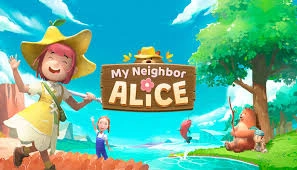
What is My Neighbor Alice Ecosystem?
My Neighbor Alice is a blockchain-based multiplayer builder game that invites players into a whimsical, social world where they can own virtual land, build, craft items, and trade assets. The game emphasizes player-ownership of digital assets (often via NFTs) and a flourishing in-game economy. In the MNA ecosystem, players participate not simply as gamers but as economic actors: owning land, crafting items, trading them, staking tokens, and participating in governance. The ecosystem blends traditional “builder/farming/social” gameplay (think casual simulation, creativity, social interaction) with crypto/game-finance mechanics. The official site describes a “dual-token system” and a “player-owned economy” built into the experience.
Role of the ALICE Token: Payments, Governance & Incentives
At the heart of the MNA ecosystem is the ALICE token. As per the project documentation, ALICE is the “core token” enabling players to trade, purchase assets, and participate in governance. Here are its main roles:
- Payments / In-game currency: Players use ALICE to buy virtual land parcels, items, decorations, avatars, or other assets in the marketplace.
- Governance: Token holders can participate in decisions that shape the ecosystem through community input, voting, or DAO participation.
- Incentives and staking: ALICE is used to reward players – whether via completing quests, engaging in events, or staking the token. It thereby encourages active participation in the game economy.
In short, ALICE functions as more than just “game money” – it is the token that aligns gameplay, economy, and governance.
Token Launch, Network Layers & Compatibility
From available sources, ALICE follows standard cryptocurrency conventions:
- The total supply is specified (100 million tokens are referenced) in some documentation.
- The game is built on the Chromia relational blockchain for game logic and asset storage, while leveraging compatibility with other chains for NFTs and marketplace activity.
- Cross-chain functionality: ALICE and the game’s assets support interoperability between blockchains (for example, Ethereum or Ethereum-compatible chains) and bridging solutions.
Thus, the token and ecosystem aim to be not locked into a single chain but to allow bridging and multi-chain interaction, which is important for asset transfer, marketplace liquidity, and broader integration.
How Token Mechanics Drive the In-Game Economy
The mechanics of ALICE and the MNA economy work together to create a dynamic virtual world. Some key mechanisms:
- Land purchases: Virtual land parcels (represented as NFTs) are bought using ALICE. Land is a foundational asset in the game world, giving players places to build and customise.
- Item crafting and marketplace fees: Crafting items, decorations, or wearables often requires ALICE, and the marketplace where players trade their built assets collects transaction fees or uses ALICE as the medium. This creates demand for ALICE.
- Secondary market & trade: Because players truly own their assets (via NFTs) and can trade them, ALICE facilitates peer-to-peer commerce and thus incentivises participation and asset liquidity.
- Token staking and revenue share: Some models allow staking ALICE to earn a portion of platform revenues (e.g., from land sales or marketplace fees), which further links token holding to game-economy growth.
By linking token utility (buying, staking, governance) with in-game actions (build, trade, craft, own), the ecosystem attempts to create a self-reinforcing loop: the more the game economy is active, the more ALICE is demanded and used, enhancing the token’s economic relevance.
Governance Features: How Players Can Participate
Governance within the MNA ecosystem is designed to give players a voice. As ALICE holders, players can:
- Vote on proposals that affect the game’s future features, economic parameters, or community initiatives.
- Participate in “community councils” or DAO-style structures where token holders act as stakeholders, influencing policy decisions or development priorities.
- Earn incentives for participation in governance (which may encourage active involvement rather than passive holding).
This governance model aligns with the notion of a “player-owned economy”: the community has a say in how the ecosystem evolves rather than being purely consumer-players.
My Neighbor Alice offers a compelling blend of social gaming and blockchain economy, with the ALICE token underpinning payments, governance, incentives, and the in-game economy. Its multi-chain compatibility, token mechanics, and community governance make it an interesting case in the GameFi space—but as with any crypto-fueled ecosystem, careful attention to adoption, mechanics, and risk factors is essential.
Gameplay & Virtual Land Ownership
My Neighbor Alice blends the charm of a casual farming game with the innovation of blockchain ownership. In this imaginative virtual world, players can buy land, build and decorate their own islands, interact with others, and truly own their creations through NFTs. It’s a play-to-own experience where creativity, community, and digital ownership come together to form a unique decentralized gaming ecosystem.
A Playful World of Creativity and Connection
My Neighbor Alice invites players into a colorful, nature-inspired world filled with friendly characters, cozy landscapes, and countless opportunities for expression. As a multiplayer builder game, it focuses on exploration, creativity, and social engagement while introducing blockchain-powered ownership that gives real value to in-game assets.
Unlike traditional games where items are stored on centralized servers, every land plot, crafted item, and collectible in My Neighbor Alice can exist as an NFT. This ensures that each player’s effort and imagination translate into verifiable ownership — creating a bridge between entertainment and decentralized finance.
Core Gameplay: Building, Crafting, and Exploring
The gameplay in My Neighbor Alice revolves around creating and nurturing your personal space while being part of a lively community. Players can:
- Buy and customize land plots — build houses, gardens, and landscapes to reflect your creative style.
- Craft and trade items — gather materials, produce goods, and exchange them through the in-game marketplace.
- Fish, farm, and explore — enjoy relaxing mini-games that provide resources and enhance immersion.
- Participate in community events — engage in festivals, quests, and competitions for rewards.
The beauty of the experience lies in its balance: a relaxing, social game with the strategic depth of ownership and economic participation.
Buying and Owning Virtual Islands
Owning virtual land is a cornerstone of My Neighbor Alice. Each island consists of limited land plots that players can buy using the ALICE token, the game’s native cryptocurrency.
The ownership process includes:
- Purchase: Acquire land plots through in-game marketplaces or auctions.
- Personalize: Design your island with structures, decorations, and rare NFTs.
- Monetize: Rent, trade, or sell your land and crafted assets to other players.
Land ownership not only enables creative freedom but also represents a potential long-term digital investment. As the player community expands, unique or well-developed islands may gain additional value, reflecting their rarity and in-game desirability.
Multiplayer and Community Interactions
At its core, My Neighbor Alice is a social experience. Players can connect with others through visiting islands, hosting events, trading assets, or collaborating on shared projects.
Town centers act as social hubs for conversation, trading, and community activities. Beyond the gameplay, players also influence development decisions through governance voting, giving them a real voice in the ecosystem’s direction.
Unique Selling Points: “Create, Connect, and Call Your Own”
My Neighbor Alice distinguishes itself through its philosophy of “Create, Connect, and Call Your Own.”
- Create: Express imagination by designing islands and crafting digital goods.
- Connect: Collaborate with friends and community members in a shared virtual space.
- Call your own: Own every item, asset, and piece of land via blockchain technology.
This player-centered approach transforms gaming into something more meaningful — an ecosystem where creativity has ownership, and every island tells its own story.
Marketplace & NFT Assets
The marketplace in My Neighbor Alice serves as the backbone of its player-driven economy — a space where creativity meets commerce. Here, players can buy, sell, and trade virtual land, crafted items, tools, and avatars, all represented as NFTs. Built on blockchain technology, the marketplace ensures secure ownership, transparent transactions, and long-term value for digital assets within the game’s growing ecosystem.
Marketplace Dynamics: Trading in a Player-Owned Economy
In My Neighbor Alice, every tradable item — from decorative furniture to rare animals and land plots — exists as a non-fungible token (NFT). These NFTs represent unique digital assets that players can freely trade in the marketplace using the ALICE token.
The marketplace acts as both a creative hub and an economic engine:
- Land and plots can be bought, sold, or rented, allowing players to profit from virtual real estate.
- Items and tools such as farming gear, clothing, or crafted décor are exchangeable, giving crafters a way to monetize creativity.
- Avatars and collectibles allow for personalization and status expression in the community.
This dynamic trading system creates a circular economy — players create, others purchase, and value continually circulates within the ecosystem. Marketplace activity also helps balance supply and demand, influencing the rarity and price of in-game assets over time.
How NFT Ownership Works
Each NFT in My Neighbor Alice is a verified digital asset recorded on the blockchain, ensuring provable ownership and authenticity.
- Proof of ownership: Every transaction is recorded on-chain, giving players irrefutable proof that they own a particular item or land parcel.
- Resale value: Because these assets are tradable on the marketplace, players can resell them at potentially higher prices if their rarity or demand increases.
- Rarity and uniqueness: Some NFTs are limited-edition or feature traits that make them more desirable, mirroring the concept of rarity in collectible markets.
Unlike centralized games where items can be lost or restricted by developers, blockchain ownership ensures assets remain fully under the player’s control, independent of the platform’s servers.
Integration with Blockchain Technology
My Neighbor Alice leverages Chromia blockchain technology as its core infrastructure, integrating with Ethereum-compatible chains for interoperability and asset transfers.
This design allows:
- Bridging: Players can move assets between Chromia and other EVM-compatible networks.
- Transparency: All NFT and token transactions are verifiable through public ledgers.
- Interoperability: NFTs created within My Neighbor Alice may eventually be used or displayed in external marketplaces or metaverse ecosystems.
Such flexibility strengthens liquidity for digital assets and enhances the long-term sustainability of the in-game economy.
Tips for Newcomers: Navigating the Marketplace Safely
For players new to NFT trading or blockchain games, a few best practices help ensure secure participation:
- Verify contracts: Always check that you are purchasing official My Neighbor Alice NFTs through the game’s verified marketplace or trusted partners.
- Understand fees: Transactions involve network gas fees and potential marketplace charges; review these before confirming trades.
- Avoid scams: Be cautious of fake links, unofficial collections, or “too good to be true” offers — always confirm authenticity on the official site.
- Keep wallets secure: Use a trusted wallet compatible with Chromia and Ethereum networks, and enable two-factor authentication when possible.
By following these guidelines, newcomers can enjoy the game’s economy confidently while minimizing risks associated with blockchain trading.
As My Neighbor Alice expands, its marketplace will continue to evolve — with more NFT integrations, user-generated items, and cross-chain compatibility on the horizon. The fusion of player creativity, verifiable digital ownership, and economic freedom defines what makes the ecosystem stand out in the GameFi space: a living market where every asset holds real value, and every transaction contributes to a thriving virtual world.
How to Get Started with My Neighbor Alice
My Neighbor Alice is an innovative multiplayer builder game that merges creative world-building with blockchain-powered ownership. Players can purchase virtual land, craft items, trade NFTs, and participate in a vibrant in-game economy. Whether you’re a casual gamer or a blockchain enthusiast, getting started in this ecosystem is simple once you understand the basics — from registering to acquiring ALICE tokens and securing your wallet.
Step-by-Step: Register, Choose Land, and Acquire ALICE Tokens
Starting your journey in My Neighbor Alice involves just a few essential steps:
- Register and Set Up an Account
Begin by visiting the official website and creating your account. You’ll be prompted to link a compatible crypto wallet — this is essential for storing NFTs, land assets, and ALICE tokens. MetaMask and other Ethereum-compatible wallets are commonly used. - Download or Access the Game
Once registered, follow the prompts to access the game platform or download any necessary files. The interface guides you through onboarding, tutorials, and community introductions. - Choose and Purchase Land
Land parcels form the heart of My Neighbor Alice. These can be purchased directly through in-game events or the marketplace using ALICE tokens. Early players often look for affordable plots to begin building and exploring the economy. - Acquire ALICE Tokens
The ALICE token powers the ecosystem — used for land purchases, in-game items, and governance voting. You can buy ALICE on major cryptocurrency exchanges such as Binance or KuCoin. Once purchased, transfer the tokens to your wallet to use them in-game.
By completing these steps, you’ll be ready to explore, build, and interact within the My Neighbor Alice universe.
Budgeting: How Much to Invest and What to Expect Early On
When starting, it’s wise to treat your initial spending as both entertainment and exploration.
- Entry-level participation may involve the purchase of land, basic tools, and initial crafting materials. Costs vary based on land availability and market prices of ALICE tokens.
- Incremental approach: Start small — buy one plot or focus on crafting before expanding your holdings.
- Long-term view: The value of assets may fluctuate depending on player demand, rarity, and updates to the ecosystem.
In essence, think of My Neighbor Alice as a creative hobby with economic potential, not a guaranteed investment vehicle.
Community Resources: Stay Connected and Informed
The My Neighbor Alice community plays a huge role in its growth and engagement. New players are encouraged to explore:
- Official Website: myneighboralice.com — for project details, updates, and marketplace links.
- Blog & News Section: Regular articles cover development updates, land sales, and upcoming events.
- Social Channels: Follow the game’s Discord, Twitter (X), and Telegram for announcements and player discussions.
These platforms provide insights into updates, contests, and tips directly from the development team.
Best Practices: Security, Announcements, and Risk Management
As with any blockchain game, maintaining good security habits is essential:
- Wallet Security: Store your private keys securely, use official wallets, and enable multi-factor authentication.
- Verify Links: Only access the game through verified sources; avoid clicking suspicious marketplace offers.
- Stay Updated: Follow official announcements to avoid missing land sales or token-related news.
- Manage Risk: Don’t invest more than you can afford to lose; treat token purchases and land acquisitions as part of a long-term gaming experience.
Getting started with My Neighbor Alice opens up a world of creativity, community, and digital ownership. By understanding the basics — registration, budgeting, and wallet safety — new players can confidently join the growing metaverse of farmers, builders, and creators. With its player-first approach and expanding ecosystem, My Neighbor Alice offers a fun and empowering introduction to blockchain gaming.
My Neighbor Alice offers more than just a game — it’s a full ecosystem where you can play, create, own, and even help govern the world you’re part of. The ALICE token is the backbone of this experience, powering transactions, incentives, and community decisions. By participating in the land market, crafting items, trading NFTs, and collaborating with others, you’re stepping into a new era of “play-and-own”. If you’re curious about blockchain gaming, digital ownership, or just want to have fun while engaging with crypto, this platform deserves a closer look.
So why wait? Visit the official site, explore available land, check how ALICE works, and start your journey into this charming, crypto-driven world. Get involved, stay informed, and maybe you’ll become one of the next big neighbors in the world of My Neighbor Alice!
Check with Shiba Shootout, which is designed to be widely accessible and supports both iOS and Android platforms, ensuring a broad user base and mobile-friendly gameplay.
[…] meme coin culture and Play-to-Earn gaming that’s taking the crypto space by storm! Combining fun, community-driven gameplay with rewarding tokenomics, Shiba Shootout lets players duel for rewards, stake tokens, and engage […]